Physical Address
304 North Cardinal St.
Dorchester Center, MA 02124
Physical Address
304 North Cardinal St.
Dorchester Center, MA 02124

Discovering your roots has never been more accessible. In 2026, the genetic genealogy landscape has evolved dramatically, with DNA databases growing by millions of new testers each year and advanced tools transforming how we connect with our past. Whether you are searching for biological parents, breaking through decades-old brick walls, or simply curious about your ethnic origins, the best genetic genealogy websites offer powerful pathways to answers that were impossible just a generation ago.
This comprehensive guide examines the five leading DNA testing services dominating the market today: AncestryDNA, 23andMe, FamilyTreeDNA, MyHeritage DNA, and Living DNA. But we go deeper than basic reviews. You will learn about essential third-party tools like GEDmatch and DNA Painter that professional genealogists use daily, understand the strategic approaches for maximizing your research budget through DNA transfers, and navigate the privacy considerations every tester should know before spitting into that tube.
With database sizes now reaching 25 million testers at AncestryDNA alone, the probability of finding meaningful connections has never been higher. Yet not all services excel at the same things. Some shine at connecting you with distant cousins who share your great-great-grandparents. Others specialize in detailed ethnic breakdowns or health insights. The key is matching the right service to your specific genealogical goals. Let us explore what each platform offers and how to build your optimal DNA testing strategy.
When I first learned about genetic genealogy, my interest was instantly piqued. This rapidly evolving field combines DNA testing with traditional family history research to trace lineage and identify familial connections that paper records alone cannot reveal. Your genome serves as a unique biological archive, carrying information about your ancestors that has been passed down through countless generations.
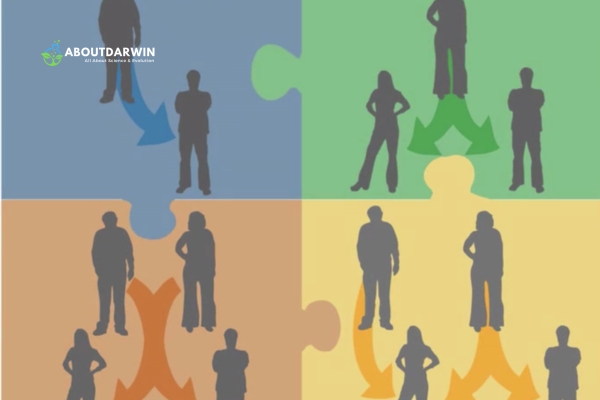
The importance of genetic genealogy cannot be understated. It serves as a bridge between the past and the present, filling gaps left by missing records, burned courthouses, and oral traditions lost to time. In many cases, these genomic insights help adoptees find birth families, validate long-held family stories, or reveal unexpected connections to distant continents.
The process begins with a simple DNA test, typically involving a saliva sample or cheek swab that you mail to a testing company. Laboratory technicians analyze specific markers in your autosomal DNA, which you inherited from both parents, as well as Y-DNA for direct paternal lines and mitochondrial DNA (mtDNA) for direct maternal lines. These markers are then compared against reference populations and other testers in the company’s database.
The underlying technology is sophisticated yet elegant. Scientists examine hundreds of thousands of single nucleotide polymorphisms (SNPs) across your genome, looking for patterns that indicate shared ancestry. When your DNA matches another tester across significant segments measured in centimorgans, the system flags a potential relationship. The more centimorgans shared, the closer the genetic connection likely is.
For many researchers, this is not merely a scientific process but a deeply personal journey. Unraveling your genetic thread can connect you with living relatives, confirm suspected lineage, or trace ancestry back hundreds of years. The field has matured significantly, with ethnicity estimates becoming more precise and matching algorithms growing increasingly accurate as reference databases expand.
Also Read: Best UK and Irish Genealogy Websites: Your Ancestry Guide
The genetic genealogy ecosystem has matured into a sophisticated network of testing companies, analysis tools, and collaborative platforms. While direct-to-consumer testing services form the foundation, the real power for serious researchers often lies in third-party tools that unlock deeper insights from your raw DNA data.
Below we examine the five major testing companies, followed by an essential overview of third-party tools that can dramatically extend your research capabilities. Understanding how these services complement each other will help you build a comprehensive DNA testing strategy.
| Service | Database Size | Starting Price | Best For | Key Strength |
|---|---|---|---|---|
| AncestryDNA | ~25 million | $99 | Family matching, US/UK research | Largest database, ThruLines |
| 23andMe | ~15 million | $99-$199 | Health insights, ethnicity detail | Chromosome browser, health reports |
| FamilyTreeDNA | ~2 million | $79-$449 | Y-DNA/mtDNA testing | Advanced haplogroup analysis |
| MyHeritage DNA | ~7 million | $79 (often on sale) | Jewish, Scandinavian, Middle Eastern | Theory of Family Relativity |
| Living DNA | ~2 million | $99 | UK ancestry, detailed British regions | Sub-regional British breakdown |
This comparison reveals why most serious genealogists eventually test with multiple companies or strategically transfer their data. No single service offers everything, and each database contains unique testers you will not find elsewhere.
Best for: Finding distant cousins, building family trees, US and Canadian ancestry research
AncestryDNA remains the undisputed leader in the consumer genetic genealogy space, commanding the largest database with approximately 25 million testers as of 2026. This massive user base dramatically increases your odds of finding meaningful matches, especially for those with colonial American or British Isles ancestry who dominate the testing pool.
The standout feature is ThruLines, which automatically suggests how you might connect to your DNA matches by analyzing both genetic data and family trees built by other users. When it works correctly, ThruLines can save hundreds of hours of manual research by presenting hypothesized common ancestors with supporting evidence. However, users should verify these suggestions independently, as they rely on the accuracy of other people’s trees which may contain errors.
AncestryDNA’s ethnicity estimates have improved significantly through algorithm updates, now offering granular regional breakdowns for many populations. The service excels at connecting testers with third and fourth cousins, making it invaluable for breaking through brick walls in the 1800s and early 1900s.
The standard autosomal test costs $99, though frequent sales drop this to $59 or $69 during holidays. An Ancestry subscription ($20-$40 monthly) unlocks full access to the company’s vast record collections, which integrate seamlessly with DNA results. However, the company does not offer Y-DNA or mtDNA testing, which limits its utility for deep paternal or maternal line research.
Privacy-conscious users should note that AncestryDNA faced a significant lawsuit in recent years regarding data handling practices. While the company maintains strict security protocols, potential testers should carefully review current privacy policies and understand that database changes can occur.
Best for: Health insights, detailed ethnicity reports, chromosome browser access
23andMe occupies a unique position in the market, appealing to users who want health information alongside ancestry insights. With approximately 15 million testers in its database, it ranks second in size to AncestryDNA, though the customer base skews younger and more health-focused than traditional genealogists.
The Ancestry + Traits service starts at $99, while the Health + Ancestry package costs $199. The health reports provide carrier status for various conditions, wellness insights, and trait predictions. While fascinating, some users discover sensitive information about disease risks they may not be prepared to handle, so consider your emotional readiness before choosing the health option.
Where 23andMe truly shines for genealogists is its robust chromosome browser, which allows you to visualize exactly which DNA segments you share with matches. This tool is essential for advanced techniques like triangulation, where you confirm shared ancestry by verifying that multiple matches share the same DNA segment. AncestryDNA notably lacks this feature, making 23andMe indispensable for serious genetic genealogy work.
The ancestral timeline feature estimates when specific ancestry entered your family tree, while the DNA Relatives tool identifies matches across the database. However, 23andMe’s family tree building capabilities remain rudimentary compared to competitors, and many matches show limited interest in genealogy, having tested primarily for health information.
Best for: Y-DNA and mtDNA testing, surname projects, deep ancestral research
FamilyTreeDNA stands apart as the only major consumer company offering dedicated Y-DNA and mitochondrial DNA testing alongside standard autosomal analysis. While their autosomal database of roughly 2 million testers is smaller than competitors, the specialized offerings make this platform essential for specific research scenarios.
The Family Finder autosomal test starts at $79, making it among the most affordable entry points. However, the real power lies in the Y-DNA tests, ranging from $119 for basic haplogroup information to $449 for the comprehensive Big Y-700, which examines 700 STR markers and millions of SNPs. These tests trace your direct paternal line, revealing surname connections and ancient migration patterns.
The mtDNA tests, starting at $149 for the mtFull Sequence, trace your direct maternal line through mitochondrial DNA passed from mothers to all children. This can reveal surprising geographic origins and connect you with distant cousins sharing maternal ancestry from centuries past.
FamilyTreeDNA offers a chromosome browser, family matching tools, and project management features for surname and geographic studies. The platform maintains a more traditional, research-focused interface that serious genealogists appreciate, though newcomers may find it less intuitive than consumer-friendly alternatives.
Notably, FamilyTreeDNA allows law enforcement matching opt-in, which has generated controversy in the genealogy community. Users concerned about privacy should carefully review these settings and understand the implications for their genetic data.
Best for: Jewish, Scandinavian, and Middle Eastern ancestry, European records integration
MyHeritage DNA has carved out a crucial niche in the genetic genealogy landscape, particularly for researchers with Jewish, Scandinavian, or Middle Eastern heritage. With approximately 7 million testers, the database punches above its weight for these populations where other services show weaker representation.
The Theory of Family Relativity tool represents a genuine innovation, using multiple data sources including family trees, historical records, and DNA matching to propose how you connect to your matches. When multiple independent sources support a relationship hypothesis, confidence increases dramatically.
AutoClusters automatically groups your DNA matches into color-coded clusters, revealing networks of related individuals who likely descend from common ancestral couples. This visualization tool helps identify which branch of your tree unknown matches belong to, accelerating breakthrough research.
The DNA Quest pro bono project has helped thousands of adoptees and those seeking biological parents find answers through free testing. This commitment to accessibility has earned MyHeritage significant goodwill in the genealogy community.
Test kits frequently go on sale for $39-$59, making MyHeritage one of the most affordable options. However, accessing the full suite of DNA analysis tools requires a subscription plan ($99-$199 annually), which adds to the total cost. The platform’s integration with MyHeritage’s extensive European records collection creates a powerful combined research environment for those with ancestry across the Atlantic.
Best for: Detailed UK ancestry, combined autosomal/Y-DNA/mtDNA at entry price
Living DNA distinguishes itself through exceptionally detailed regional breakdowns for British ancestry, offering sub-regional distinctions that no competitor matches. The test can differentiate between ancestry from Cornwall versus Devon, or Yorkshire versus Lancashire, providing genuinely useful geographic precision for UK researchers.
At $99, the standard test includes not only autosomal analysis but also Y-DNA and mtDNA haplogroup information without additional charges. This makes Living DNA an excellent value for those wanting comprehensive haplogroup data alongside their ethnicity estimates and cousin matching.
The company is relatively newer in the field and maintains a smaller database of approximately 2 million testers. This means fewer matches compared to larger services, though the database grows steadily. Living DNA does offer DNA transfers from other testing companies, allowing you to upload raw data from AncestryDNA or 23andMe to find additional matches at no cost.
For those with significant British Isles ancestry, Living DNA provides insights unavailable elsewhere. The company’s focus on UK populations has made it a favorite among British genealogists and Americans with colonial ancestry seeking to pinpoint specific English, Scottish, Welsh, or Irish origins.
Beyond the major testing companies, a vibrant ecosystem of third-party tools empowers genealogists to extract maximum value from their DNA data. These platforms accept raw DNA uploads and offer specialized analysis capabilities that complement the original testing services.
GEDmatch stands as the most powerful free option for serious genetic genealogists. Upload your raw DNA data from any major testing company to access a suite of analysis tools including a chromosome browser, one-to-many matching against users from all platforms, and admixture calculators that provide alternative ethnicity estimates. The Tier 1 subscription ($10 monthly) unlocks advanced features like segment triangulation and enhanced matching.
Privacy-conscious users should understand GEDmatch’s law enforcement matching policy. Following high-profile cases where genetic genealogy helped solve violent crimes, GEDmatch now requires users to explicitly opt-in to law enforcement matching. This setting defaults to off, but users must actively choose whether their DNA can be used for forensic investigations. This controversial feature has generated significant debate in the genealogy community about the balance between privacy and public safety.
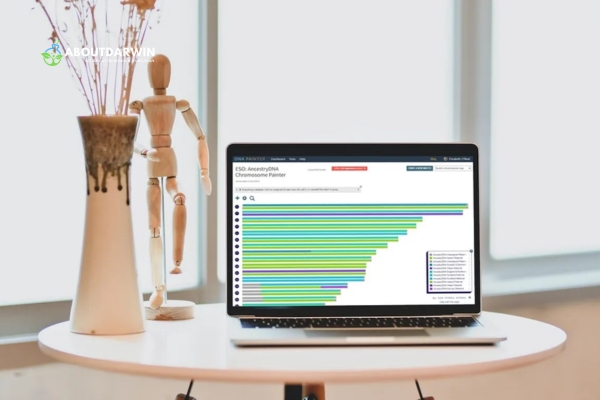
DNA Painter offers chromosome mapping capabilities that transform how you analyze shared DNA segments. By painting segments onto a virtual chromosome map and assigning them to specific ancestors, you can track which parts of your DNA came from which family lines. This technique proves invaluable for identifying unknown parentage or placing mystery matches on your tree. A basic subscription costs $30 annually, while power users benefit from the $100 pro tier.
ISOGG Wiki (International Society of Genetic Genealogy) serves as the definitive educational resource for the field. This free, community-maintained encyclopedia covers technical concepts from centimorgan definitions to phasing methodologies. Whether you are puzzling over endogamy in Ashkenazi Jewish research or learning about pedigree collapse in isolated populations, the ISOGG Wiki provides authoritative explanations written by practicing genetic genealogists.
These third-party tools collectively form an essential component of any serious genetic genealogy strategy. While testing companies provide the raw data and initial matches, platforms like GEDmatch and DNA Painter enable the sophisticated analysis required to solve complex genealogical puzzles.
Also Read: Best European Genealogy Websites: Unravel Your Past | Top Free DNA Upload Websites for Ancestry & Health Analysis
Developing an effective DNA testing strategy requires balancing budget constraints against research goals. The cheapest approach to comprehensive coverage involves strategic testing followed by free transfers to other platforms.
Start by testing with AncestryDNA, which offers the largest database and strongest tree-building integration. At $99 (or $59-$69 during sales), this provides access to the greatest number of potential matches. Once results arrive, download your raw DNA data and upload it to MyHeritage DNA (free), FamilyTreeDNA (free basic features), Living DNA (free), and GEDmatch (free). This single test effectively places you in four additional databases at no extra cost.
Next, test with 23andMe to access their distinct customer base and chromosome browser. Upload these results to the same third-party platforms to capture matches who may have tested with 23andMe but not AncestryDNA. This two-test strategy, combined with transfers, maximizes your visibility across the genetic genealogy ecosystem for approximately $200 or less during promotional periods.
For specialized research needs, add targeted testing. Those seeking biological parents should prioritize AncestryDNA and 23andMe for the largest match pools. Jewish genealogy researchers should include MyHeritage DNA for their strong Ashkenazi database. Deep surname studies benefit from FamilyTreeDNA’s Y-DNA tests. UK researchers should consider Living DNA for the detailed regional breakdowns.
Shared Matches of Matches (SMoMs) represents an advanced technique gaining traction among professional genealogists. This approach examines matches who share DNA with multiple of your known relatives, helping identify which family line unknown matches belong to even when the exact relationship remains unclear. MyHeritage DNA and GEDmatch both offer tools supporting this methodology.
Selecting the right genetic genealogy service requires careful evaluation of multiple factors. Beyond marketing claims, understanding these core elements ensures you invest wisely in testing that serves your specific research needs.

The intersection of genetic genealogy and law enforcement has generated significant controversy and concern among testers. Several high-profile cold cases have been solved using genetic genealogy databases, most notably the Golden State Killer investigation. These successes have prompted important policy changes that every tester should understand.
GEDmatch now requires explicit opt-in for law enforcement matching, defaulting all users to exclusion from forensic searches unless they actively choose participation. FamilyTreeDNA faced backlash after initially allowing law enforcement searches without clear disclosure, subsequently clarifying their policies and providing opt-out mechanisms.
AncestryDNA and 23andMe maintain strict policies against law enforcement access to their databases except under specific legal compulsion such as warrants. These companies have resisted law enforcement requests absent proper legal process, providing greater privacy assurance for concerned users.
Beyond law enforcement, consider other privacy implications. Your DNA reveals health information, biological relationships, and ethnic origins that some family members might prefer to keep private. Testing can reveal non-paternity events, undisclosed adoptions, or other sensitive family secrets. Consider discussing your testing intentions with relatives who might be affected by unexpected discoveries.
Also Read: Ancestry.com Review: Your Roots or Not Worth The Price? | Discover Your Roots with MyHeritage Family Tree Maker | Discover Top Genealogy Tools to Trace Your Family History
The landscape of genetic genealogy in 2026 offers unprecedented opportunities to discover your heritage and connect with biological relatives. Each of the five major testing services brings unique strengths: AncestryDNA dominates with its massive database and tree integration, 23andMe combines ancestry with health insights, FamilyTreeDNA offers specialized Y-DNA and mtDNA analysis, MyHeritage DNA excels for specific populations, and Living DNA provides detailed regional breakdowns for UK ancestry.
The best genetic genealogy websites for your research depend entirely on your specific goals. Start with AncestryDNA for the largest match pool, add 23andMe for their chromosome browser and distinct customer base, then leverage free transfers to maximize your visibility across databases. Incorporate third-party tools like GEDmatch and DNA Painter to unlock advanced analysis capabilities that transcend any single platform.
As databases grow by millions of new testers annually, the probability of finding meaningful connections only increases. Whether you are an adoptee seeking biological parents, a family historian breaking through brick walls, or simply curious about your ethnic origins, genetic genealogy provides powerful tools for understanding your place in the human story. Approach testing with realistic expectations, respect the privacy of matches you discover, and prepare for the possibility of unexpected revelations. Your DNA holds stories waiting to be uncovered.
Also Read: Best US and Canadian Genealogy Websites


