Physical Address
304 North Cardinal St.
Dorchester Center, MA 02124
Physical Address
304 North Cardinal St.
Dorchester Center, MA 02124

DNA research studies are reshaping how we understand human health, disease, and ancestry in 2026. What began as small-scale academic investigations has evolved into massive population genomics initiatives involving millions of participants worldwide. The All of Us Research Program has enrolled over 800,000 participants and returned more than 175,000 pharmacogenomic reports as of early 2026, demonstrating the explosive growth of participatory genetic research.
Deciding whether to contribute your genetic data to science requires careful consideration of both the potential benefits and the privacy implications. This guide examines what DNA research studies entail, explores major programs like the eMERGE Network and In Our DNA SC, explains how to participate, and outlines your rights as a contributor. By understanding both the scientific value and the data protection measures involved, you can make an informed choice about joining this transformative movement in precision medicine.
Whether you are curious about DNA test privacy risks or interested in the breakthroughs that genetic genealogy testing companies are enabling, understanding DNA research participation helps you engage with genomic science on your own terms.
DNA research studies are scientific investigations that analyze genetic material to understand how genes influence health, disease, and human traits. Researchers examine DNA samples from thousands or even millions of participants to identify patterns, mutations, and variations that correlate with specific conditions or characteristics. These studies form the foundation of genomic medicine and drive discoveries that lead to new treatments, diagnostic tools, and preventive strategies.
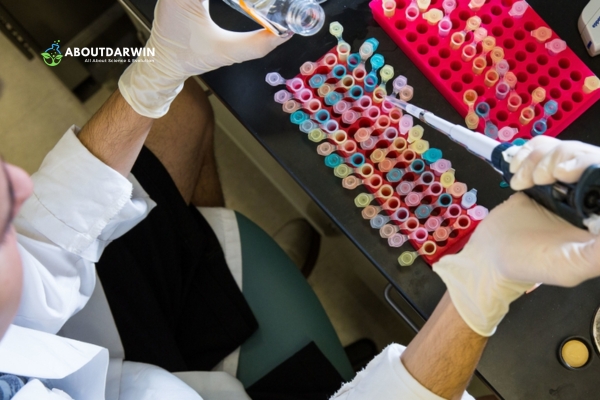
Several distinct approaches define modern DNA research. Genome-wide association studies (GWAS) scan thousands of genomes to find small genetic differences linked to diseases. Pharmacogenomics research investigates how genetic variations affect medication responses, enabling personalized drug therapies. Whole genome sequencing provides complete genetic blueprints for comprehensive analysis. Biobanking initiatives store biological samples for long-term longitudinal research, allowing scientists to track health outcomes over decades.
Understanding the different categories of genetic research helps clarify what participation involves. Population genomics studies, like the All of Us Research Program, aim to collect diverse genetic data from hundreds of thousands of individuals to build representative health databases. Clinical genomics research focuses on specific diseases, such as hereditary cancer or rare genetic disorders, often involving participants with particular health conditions or family histories.
Direct-to-consumer genetic testing research programs, including the 23andMe research program, allow customers to opt into studies using their existing DNA data. Pharmacogenomics trials test how genetic markers predict drug effectiveness and side effects. Each type serves different scientific goals and offers varying levels of personal health information in return.
Recent breakthroughs demonstrate the accelerating pace of genetic discovery. In 2026, researchers from the Broad Institute published enhanced genetic maps that sharpen the ability to pinpoint DNA changes influencing human health traits and disease risk. These improved reference panels enable more accurate polygenic risk scores for conditions ranging from cardiovascular disease to psychiatric disorders.
The eMERGE Network continues to advance clinical utility of genetic data through its multi-site research consortium. In 2026, eMERGE studies demonstrated that comprehensive genetic screening could identify actionable findings in approximately 3% of participants, including variants in BRCA1, BRCA2, Lynch syndrome genes, and familial hypercholesterolemia. These discoveries enable early intervention for high-risk individuals before symptoms develop.
Pharmacogenomics has achieved significant milestones through DNA research. The All of Us program now returns pharmacogenomic reports to participants covering medications for depression, cancer, heart disease, and pain management. This personalized approach reduces adverse drug reactions and improves therapeutic outcomes by matching treatments to individual genetic profiles.
Rare disease diagnosis has been transformed by whole genome sequencing studies. Research initiatives at NHGRI and other institutions have successfully diagnosed thousands of previously undiagnosed genetic conditions, ending diagnostic odysseys that often lasted years. These advances directly connect research participation to life-changing clinical insights for affected families.
Several landmark initiatives define the current landscape of participatory genomics. These programs offer no-cost genetic screening while building research databases that advance scientific understanding of human health and disease.
The National Institutes of Health launched the All of Us Research Program with an ambitious goal: enrolling one million participants to create the most diverse health database in history. By early 2026, the program had enrolled over 800,000 participants and sequenced more than 525,000 genomes. Unlike earlier genetic studies that predominantly included participants of European ancestry, All of Us actively recruits from underrepresented communities to ensure research benefits all populations equally.
Participants receive pharmacogenomic reports at no cost, providing actionable information about how their genetics affect medication responses. The program also studies environmental and lifestyle factors alongside genetic data, creating a comprehensive picture of health determinants. Registered researchers can access de-identified data to investigate everything from cancer biology to cardiovascular disease patterns.
In Our DNA SC represents a state-level model for community health research. Launched by the Medical University of South Carolina (MUSC) in partnership with Helix, this program aims to analyze DNA from 100,000 South Carolina residents. As of early 2026, the initiative has enrolled over 50,000 participants, exceeding its halfway milestone.
The program screens for genetic variants associated with hereditary breast and ovarian cancer (BRCA1 and BRCA2), Lynch syndrome, and familial hypercholesterolemia. Participants receive results through genetic counseling services, ensuring they understand both the findings and appropriate next steps. The initiative emphasizes health equity, targeting populations that traditionally face barriers to genetic testing.
The Electronic Medical Records and Genomics (eMERGE) Network connects multiple academic medical centers to study how genetic information can improve clinical care. Unlike biobank studies that require new sample collection, eMERGE utilizes existing electronic health records linked to genetic data from biorepositories.
Recent eMERGE research has focused on implementing polygenic risk scores in clinical settings and addressing disparities in genetic risk prediction across diverse populations. The network has pioneered approaches for returning genomic results to patients and integrating genetic counseling into standard care workflows. With sites at Mayo Clinic, Vanderbilt, and other major institutions, eMERGE bridges the gap between research discovery and clinical application.
Beyond these flagship initiatives, numerous regional and specialized programs contribute to the research ecosystem. The Ohio State Genomic Health program offers genetic screening to 100,000 participants over four years. Memorial Hermann’s genoME program in Texas studies DNA from 100,000 community members. The Nebraska Medicine Genetic Insights Project examines how DNA information affects future health planning.
Private sector programs also play significant roles. Helix powers multiple population genomics initiatives through partnerships with health systems. Ancestry research programs leverage genealogical DNA databases to study historical migration patterns and genetic inheritance. Each program serves different research goals while offering participants varying levels of personal health information in return.
Joining a DNA research study involves several steps that ensure informed participation and proper consent. While specific processes vary by program, most follow similar patterns for enrollment, sample collection, and ongoing engagement.
Start by identifying programs accepting participants in your area. National initiatives like All of Us operate through partner organizations nationwide, while regional programs like In Our DNA SC serve specific geographic populations. Eligibility criteria vary: some programs accept any adult, while others target specific age groups, health conditions, or ancestral backgrounds to ensure diverse representation.
Many programs offer online eligibility checkers that ask basic questions about age, location, and health status. University medical centers, community health systems, and research hospitals frequently sponsor local genetic studies. Your physician may also know of relevant clinical trials or population genomics initiatives recruiting in your region.
Before providing any biological material, you will receive detailed consent documents explaining the study’s purpose, procedures, risks, and benefits. Read these materials carefully. Key elements to understand include what genetic information will be collected, how long samples will be stored, whether results will be returned to you, and what data sharing agreements exist with third parties.
Most modern programs use tiered or dynamic consent models that let you choose specific types of research participation. You might consent to health-related research while declining involvement in commercial partnerships, for example. Take time to understand these options and ask questions before signing.
Sample collection methods vary by program. Many population genomics studies use saliva collection kits that you complete at home and return by mail. Clinical research programs may require blood draws at medical facilities. Some studies utilize cheek swabs for quick, non-invasive DNA collection. The process typically takes 15-30 minutes and involves minimal discomfort.
Along with biological samples, most programs collect health surveys, family history information, and lifestyle data. Some initiatives integrate wearable devices or electronic health record access to build comprehensive health profiles. Providing accurate, complete information strengthens the research value of your participation.
After enrollment, participation continues through ongoing engagement. Some programs require periodic health updates or additional surveys. If the study returns genetic results, you will typically receive these through secure portals or genetic counseling sessions. Many programs also share aggregate research findings through newsletters or participant updates, showing how collective contributions advance scientific knowledge.
Understanding the post-participation experience helps set realistic expectations about what you will learn, how your data will be used, and what support resources remain available.
Not all DNA research studies return individual results to participants. Programs focused on population genomics or biobanking may use your data for aggregate research without providing personal genetic information. However, an increasing number of initiatives now return actionable findings to participants as a benefit of participation.
Common results include pharmacogenomic reports showing how your genetics affect medication responses, carrier status for recessive conditions relevant to family planning, and risk information for hereditary cancer syndromes like BRCA1/BRCA2 mutations or Lynch syndrome. Some programs also provide polygenic risk scores estimating susceptibility to common conditions like heart disease or diabetes.
When programs return significant genetic findings, they typically provide genetic counseling services to help interpret results. Licensed genetic counselors explain what findings mean for your health, whether additional testing is warranted, and how to discuss results with family members who may share genetic risks.
This support proves particularly valuable for unexpected or complex findings. Learning you carry a pathogenic variant in a cancer susceptibility gene, for example, raises immediate questions about screening protocols, prevention strategies, and family communication. Professional guidance ensures you understand both the implications and available options.
Your DNA data may support research for decades after initial collection. Most programs store samples in biobanks for future studies, enabling research that was not imaginable when you originally enrolled. Understanding re-contact policies helps you know whether researchers will notify you about new findings relevant to your genetic profile.
Some programs commit to re-contacting participants if research reveals medically actionable information about variants discovered in their samples. Others focus on aggregate discoveries without individual follow-up. Review these policies during consent to ensure they align with your preferences for ongoing communication.
Participation in DNA research studies presents a genuine trade-off between contributing to scientific progress and protecting personal genetic privacy. Making an informed decision requires understanding both sides of this equation clearly.
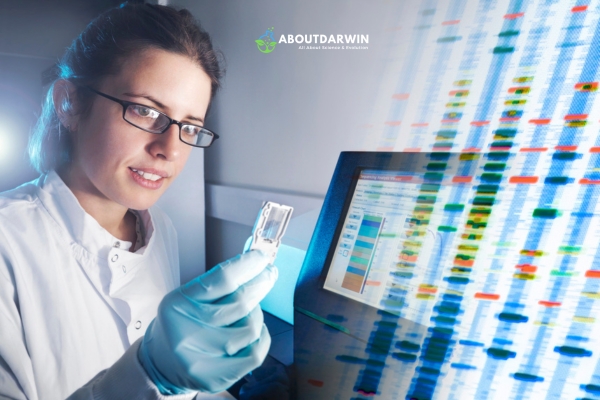
Contributing your DNA to research advances scientific understanding in ways that benefit society broadly. Population-scale genomic data enables researchers to identify disease patterns, develop new therapeutics, and understand genetic influences on health that remain invisible in smaller studies. Your participation literally helps build the knowledge base for future precision medicine.
Personal benefits often accompany participation. Many programs provide no-cost genetic screening that would otherwise cost hundreds or thousands of dollars. The pharmacogenomic results from All of Us, for example, help participants and their physicians make more informed medication choices. Early detection of hereditary cancer risk through research screening can enable life-saving prevention strategies.
Some participants value the connection to cutting-edge science. Research programs often share updates about discoveries enabled by participant contributions, creating a sense of involvement in meaningful scientific progress. For individuals with rare diseases or family histories of genetic conditions, participation offers hope that research will eventually lead to treatments or cures.
Genetic data represents uniquely sensitive personal information. Unlike credit card numbers or passwords, DNA cannot be changed if compromised. Your genome reveals health risks, ancestry information, and biological relationships that you may prefer to keep private. Once shared, genetic data persists indefinitely, raising long-term privacy considerations.
Data breaches pose real risks, though major research programs employ robust security measures. De-identification techniques remove obvious personal identifiers from research datasets, though re-identification remains theoretically possible through sophisticated analysis. Understanding how programs protect your data helps evaluate whether their safeguards meet your comfort level.
Third-party data sharing raises additional concerns. Some research programs share de-identified data with pharmaceutical companies, academic collaborators, or international research consortia. While these partnerships accelerate discovery, they expand the number of organizations accessing genetic information. Review consent documents carefully to understand data sharing practices and whether you can opt out of specific sharing arrangements.
Ethical frameworks govern how DNA research studies operate, ensuring that participant rights remain protected while enabling valuable scientific inquiry. Understanding these principles helps you evaluate whether specific programs meet appropriate ethical standards.
Informed consent represents the cornerstone of ethical genetic research. Before enrollment, programs must clearly explain their research goals, procedures, risks, benefits, and your rights as a participant. This process ensures you understand exactly what you are agreeing to before providing biological material or personal health information.
Modern genetic research increasingly uses tiered consent models that let you choose specific types of participation. You might consent to health-related research while declining involvement in ancestry studies or commercial partnerships. Dynamic consent approaches allow you to update preferences over time as research evolves. These flexible models respect participant autonomy while enabling diverse research applications.
Key elements to verify in any consent process include: whether results will be returned to you, how long samples will be stored, what data sharing agreements exist, whether you can withdraw from the study, and how re-identification risks are addressed. Programs that rush consent or minimize these discussions raise ethical concerns worth noting.
Beyond informed consent, ethical DNA research addresses broader societal concerns. Genetic discrimination represents a significant worry, particularly regarding insurance coverage and employment. While GINA prohibits health insurer and employer discrimination in the United States, life insurance, disability insurance, and long-term care insurance remain unprotected areas in many states.
Family privacy presents another ethical dimension. Your genetic information inherently reveals information about biological relatives who never consented to research participation. Discovering unexpected parentage or DNA inheritance patterns can disrupt family relationships. Ethical programs acknowledge these familial implications and provide resources for addressing sensitive discoveries.
Equity and inclusion represent growing ethical priorities. Historical genetic research predominantly included participants of European ancestry, producing findings that benefit some populations more than others. Modern initiatives like All of Us explicitly prioritize diverse participation to ensure genomic medicine serves everyone equitably. Supporting research with inclusive recruitment practices advances both scientific validity and social justice.
Several layers of legal protection govern how DNA research studies handle participant genetic information. Understanding these frameworks helps you assess your rights and the obligations research programs must meet.
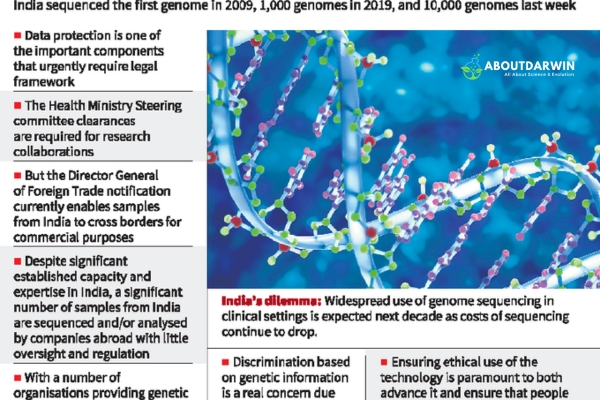
The Genetic Information Nondiscrimination Act (GINA) of 2008 provides foundational federal protection in the United States. GINA prohibits health insurers from using genetic information to determine eligibility, coverage, or premiums. It also bars employers with 15 or more employees from making hiring, firing, or promotion decisions based on genetic data. However, GINA does not cover life insurance, disability insurance, long-term care insurance, or military personnel.
State laws increasingly fill gaps left by federal legislation. California’s Consumer Privacy Act (CCPA) and its 2026 expansion through the California Privacy Rights Act (CPRA) grant residents rights to know what personal information companies collect, delete genetic data upon request, and opt out of data sales. As of 2026, over 20 states have enacted comprehensive genetic privacy laws with varying protections.
Internationally, the European Union’s General Data Protection Regulation (GDPR) classifies genetic data as a “special category” of sensitive personal information requiring heightened protection. Under GDPR Article 9, processing genetic data requires explicit consent or specific legal grounds. The regulation grants individuals rights to access their data, request deletion, and restrict processing, creating strong safeguards for EU research participants.
Legal frameworks grant research participants specific rights regarding their genetic information. The right to informed consent ensures you receive complete information before enrollment. The right to withdraw allows you to leave studies, though samples already used in completed research cannot typically be retrieved. Data access rights let you view what information researchers hold about you.
Data portability rights, increasingly recognized under laws like GDPR and various state regulations, allow you to obtain your genetic data in standard formats for use with other services. Correction rights enable you to address errors in associated health information. Understanding which rights apply to your situation helps you advocate effectively for your interests.
Research programs must also meet institutional oversight requirements. Institutional Review Boards (IRBs) review study protocols to ensure ethical standards and regulatory compliance. Data safety monitoring boards track ongoing studies for emerging risks. These oversight mechanisms provide additional accountability beyond legal minimums.
DNA research studies analyze genetic material from participants to understand how genes influence health, disease, and human traits. These studies matter because they drive medical breakthroughs, enable personalized medicine, and help scientists develop new treatments. Major initiatives like the All of Us Research Program have enrolled over 800,000 participants to build diverse genetic databases that advance precision medicine for everyone.
Participation in established DNA research studies is generally safe from physical risks, as sample collection involves simple saliva or blood draws. Privacy risks vary by program security practices. Reputable programs use de-identification, encryption, and strict access controls to protect genetic data. Reviewing a program’s consent documents and privacy policies helps you understand specific safeguards before enrolling.
Many DNA research programs offer no-cost genetic screening that would otherwise be expensive. The All of Us program returns pharmacogenomic reports showing how your genetics affect medication responses. Some programs identify hereditary cancer risks or carrier status for genetic conditions. Beyond personal benefits, your participation contributes to scientific knowledge that may help millions of people through improved treatments and preventive strategies.
Most DNA research studies allow participants to withdraw, though the specifics vary by program. You can typically stop providing new information and data going forward. However, samples already used in completed research or aggregated into published datasets usually cannot be retrieved. Review withdrawal policies in consent documents before enrolling to understand exactly what opting out involves.
DNA research programs protect genetic data through multiple measures: de-identification removes obvious personal identifiers, encryption secures data storage and transmission, access controls limit who can view information, and institutional review boards oversee ethical compliance. Programs like All of Us and eMERGE follow strict federal regulations. However, no system is completely impenetrable, so understanding specific protections helps you make informed participation decisions.
Whether you receive personal results depends on the program. Some research studies use your data for aggregate analysis without returning individual findings. Others, like All of Us and In Our DNA SC, actively return pharmacogenomic reports and health-related genetic results to participants. Programs that return significant findings typically provide genetic counseling to help you understand the implications for your health and family.
DNA research studies in 2026 offer unprecedented opportunities to contribute to scientific discovery while potentially gaining valuable insights about your own genetic health. Programs like All of Us, In Our DNA SC, and the eMERGE Network demonstrate how large-scale participation accelerates medical breakthroughs that benefit society broadly. From pharmacogenomic reports that guide medication choices to early detection of hereditary cancer risks, the personal benefits of participation can be substantial.
However, participation requires thoughtful consideration of privacy implications and personal comfort with data sharing. While legal protections like GINA and expanding state privacy laws provide important safeguards, genetic information remains uniquely sensitive and permanent. Reviewing consent documents carefully, understanding program-specific data practices, and evaluating your own risk tolerance ensures that your decision aligns with your values.
By approaching DNA research participation as an informed choice rather than an automatic yes or no, you contribute to genomic science on your own terms. The right program for you balances meaningful scientific contribution with appropriate protections for your genetic privacy. With proper due diligence, joining a DNA research study can be a rewarding way to support the future of precision medicine while learning more about your own genetic inheritance.