Physical Address
304 North Cardinal St.
Dorchester Center, MA 02124
Physical Address
304 North Cardinal St.
Dorchester Center, MA 02124

Tracing your family roots has become one of the most popular online activities in 2026, with millions of people turning to genealogy platforms to uncover their heritage. Among the many options available, FindMyPast stands out as a specialized service for those with British and Irish ancestry. With over 3 billion records and exclusive access to the 1921 England and Wales Census, this platform has earned a 3.9 out of 5 rating on Trustpilot from 2,551 reviewers, many praising its focused collection of UK and Irish records.
In this comprehensive FindMyPast Review, I’ll examine whether this genealogy service deserves your subscription dollars in 2026. While general genealogy sites try to cover everything, FindMyPast has carved out a niche as the go-to resource for British and Irish family history research. The question is whether this specialization makes it worth the investment, especially when competitors like Ancestry and MyHeritage offer broader geographic coverage.
Whether you are just beginning your family history journey or you are a seasoned researcher hitting brick walls with other platforms, this review will help you understand exactly what FindMyPast offers, how much it costs, and whether it fits your research needs. I’ll cover the unique record collections that set this platform apart, the pricing structure you can expect, and real user experiences to help you make an informed decision.
When I first accessed FindMyPast, the platform immediately conveyed its specialization. Unlike broader genealogy sites that overwhelm you with global options, FindMyPast presents a clean interface focused on British and Irish research from the moment you log in. The homepage prominently features record collections like the 1921 Census, 1939 Register, and British Newspaper Archive, clearly signaling this is a service built for specific ancestral research needs.

Creating an account on FindMyPast takes just minutes. The registration process asks for basic information and offers a free trial period to test the service before committing financially. Once inside, the platform guides you through entering known family details, names, dates, and locations that you already have. This initial data entry serves as the foundation for your research.
For beginners, the interface feels approachable without sacrificing depth. The search forms provide just enough options to be powerful without becoming intimidating. For experienced genealogists, the advanced search features allow precise queries across billions of indexed records.
FindMyPast has positioned itself as one of the top genealogy tools for anyone researching British and Irish ancestry. The platform offers several standout features that differentiate it from competitors, particularly its exclusive record collections and specialized search capabilities.
The crown jewel of FindMyPast’s collection is its exclusive partnership with the National Archives for the 1921 England and Wales Census. No other genealogy platform has access to this crucial record set, which captures household details from a pivotal post-WWI period. This census contains 38 million records showing names, ages, occupations, relationships, and birthplaces of everyone present on census night, June 19, 1921.
For researchers tracing 20th-century British families, this census bridges the gap between the 1911 Census and the 1939 Register, providing essential information about ancestors who lived through the First World War and its aftermath. The records are fully indexed and searchable, with original handwritten images available for verification.
FindMyPast hosts the complete 1939 Register, a record taken at the outbreak of World War II that documents 40 million people living in England and Wales. This collection effectively functions as a census substitute for the missing 1941 records. Beyond basic household lists, FindMyPast provides interactive maps showing exactly where your ancestors lived at the start of the war.
The 1939 Register reveals occupation details, exact dates of birth, and marital status, making it invaluable for tracking families through the mid-20th century. The original handwritten documents are viewable alongside typed transcriptions, allowing you to verify accuracy against the source material.
The family tree builder on FindMyPast supports multiple trees, allowing researchers to keep separate projects organized. You can upload existing trees via GEDCOM format from other platforms without losing your work. The interface offers various viewing options including pedigree charts and family group sheets.
The smart matching feature automatically scans your tree and suggests potential record matches from the database. These hints appear as indicators on your tree, prompting you to review and attach relevant documents to your ancestors. While the algorithm-generated suggestions require careful verification, they often uncover records you might have missed through manual searching.
FindMyPast hosts over 3 billion records with particular strength in British and Irish genealogy. The collections include civil registration records of births, marriages, and deaths, parish registers dating back centuries, military service records, and criminal registers. The British Newspaper Archive integration provides access to millions of digitized newspaper pages, offering rich context about the times your ancestors lived through.
The platform also features specialized collections for Irish ancestry research, including Catholic parish registers, Griffith’s Valuation records, and workhouse admission registers. For those tracing UK and Irish genealogy, this focused database often yields results that broader platforms miss.
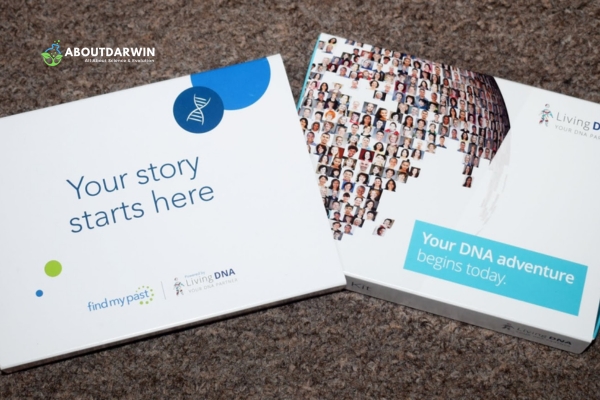
While FindMyPast does not operate its own DNA testing laboratory, it partners with Living DNA to offer genetic genealogy services. Users can order DNA tests directly through the FindMyPast platform or upload raw DNA data from other testing companies. The partnership focuses on British and Irish genetic heritage, providing detailed regional breakdowns of ancestry.
The DNA integration enhances traditional record research by confirming paper trails and suggesting new ancestral connections. Learn more about autosomal DNA testing to understand how genetic genealogy complements document-based family history research. Results typically arrive within 6-8 weeks and can be connected directly to your FindMyPast family tree.
The FindMyPast mobile app extends the platform’s functionality to smartphones and tablets. Available for iOS and Android devices, the app allows you to view and edit your family tree, search historical records, and add photographs directly from your mobile device. The interface adapts well to smaller screens while maintaining access to core research features.
Users particularly appreciate the ability to continue research while visiting archives, cemeteries, or family gatherings. The app syncs automatically with your web account, ensuring your tree stays current across all devices. Many Trustpilot reviewers specifically mention the app interface as outstanding compared to other genealogy applications they have tried.
When entrusting your family history and potentially DNA information to an online platform, understanding privacy protections becomes essential. FindMyPast maintains several security measures designed to protect user data while enabling collaborative research features.
FindMyPast employs encryption protocols to secure data transmission between your device and their servers. The platform complies with GDPR regulations for European users, providing transparency about what data is collected and how it is processed. Account security features include password protection and the option to enable two-factor authentication for additional login security.
The company stores family trees and personal information on secured servers with regular backup procedures. Payment information is processed through compliant payment gateways, meaning FindMyPast does not store complete credit card details on its own systems. This reduces the risk exposure from potential data breaches.
For users utilizing the Living DNA partnership, genetic data receives additional protections. DNA samples are processed in accredited laboratories following strict chain-of-custody procedures. Raw genetic data can be deleted from the platform upon request, and users retain ownership of their genetic information. FindMyPast does not share DNA data with third parties for marketing or research purposes without explicit consent.
The platform allows you to control privacy settings for your family tree, choosing whether to keep it completely private, share it with specific invited members, or make it publicly searchable. These granular controls let you balance collaboration with privacy according to your comfort level.
FindMyPast’s privacy policy outlines specific circumstances where information might be shared with third parties, primarily focused on service providers who assist with platform operations. The company does not sell personal information to advertisers or data brokers. Any sharing with academic researchers requires anonymization and user consent.
Users can request complete deletion of their account and associated data through customer support. The platform provides options to download your family tree in GEDCOM format before closing your account, ensuring you retain your research. Understanding these policies helps you make informed decisions about what information to store on the platform.
Genealogy research depends on accurate records, and different platforms vary significantly in both the quantity and quality of their collections. FindMyPast offers billions of indexed records, but accuracy requires understanding both the strengths and limitations of any database.
The platform’s British and Irish collections generally maintain high transcription accuracy, particularly for civil registration records and official government documents. However, older parish registers and handwritten documents present challenges for both human transcribers and optical character recognition systems. Users should always verify information against original images when available.
Compared to Ancestry, FindMyPast offers more focused coverage with potentially deeper detail in its specialized geographic areas. The algorithmic matching feature can suggest connections that require careful verification. While helpful for discovery, automated hints occasionally suggest incorrect matches based on similar names or dates without proper context. Experienced genealogists recommend treating hints as starting points rather than definitive answers.
The platform provides source citation information for most records, helping researchers document their findings properly. This feature supports good genealogical practice by making it easier to track where each piece of information originated. When discrepancies appear between different record sets, FindMyPast often provides multiple versions of the same record, allowing comparison to determine the most reliable information.
Understanding FindMyPast pricing helps determine whether the subscription represents good value for your research needs. The platform offers multiple tiers designed for different levels of engagement and access requirements. As of 2026, the following subscription options are available for UK customers.
The Plus subscription costs approximately £11.25 per month when billed monthly, providing access to birth, marriage, and death records, census collections up to 1911, and the family tree builder. This tier suits beginners who want to explore basic genealogical records without a significant financial commitment.
The Pro subscription, at roughly £15.42 monthly, adds newspaper archives, additional record collections, and enhanced search capabilities. This tier represents the sweet spot for most serious researchers who need access to a broader range of historical documents beyond vital records.
The Premium subscription, priced at approximately £16.67 per month when paid annually, includes everything in the lower tiers plus exclusive access to the 1921 Census and other premium collections. For dedicated researchers focusing on 20th-century British families, this tier provides essential access to the most valuable records in the database.
FindMyPast typically offers a 14-day free trial for new subscribers, allowing full access to explore the platform before committing financially. This trial period enables you to test the search functionality, build a starter family tree, and evaluate whether the record collections match your research needs. Credit card information is required to start the trial, but you can cancel before billing begins if the service does not meet your expectations.
For researchers with British or Irish ancestry, FindMyPast offers strong value compared to competitors. The exclusive 1921 Census access alone justifies the Premium tier for many users, as this record set cannot be found elsewhere. The British Newspaper Archive integration adds significant value for putting ancestral stories in historical context.
However, for those researching primarily American, Canadian, or other non-British ancestry, the value proposition weakens. While FindMyPast includes some international records, platforms like Ancestry offer broader geographic coverage. Consider starting with the free trial to assess whether the specific records you need are available before selecting a subscription tier.
When investing in a genealogy subscription, the quality of customer support can significantly impact your research experience. FindMyPast provides multiple support channels, though availability and responsiveness vary depending on your query type and subscription level.
FindMyPast offers email-based support for all subscribers, with response times typically ranging from 24 to 48 hours for standard inquiries. The platform maintains an extensive help center with searchable articles covering common questions about using the site, understanding records, and managing subscriptions. Many basic questions can be resolved without contacting support directly.
Live chat support is available during business hours for Premium subscribers, providing faster assistance for urgent issues. Phone support options exist but may have limited hours compared to competitors. The company also maintains active social media accounts where general questions receive responses, though complex account issues require formal support tickets.
Beyond direct customer support, FindMyPast provides educational resources including webinars, research guides, and blog articles covering genealogy methodology. These resources help users improve their research skills while learning to navigate the platform more effectively. The webinar series covers topics from beginner basics to advanced research techniques specific to British and Irish records.
The platform includes a community section where users can connect with other researchers, though the level of interaction is less robust than on some competing platforms. While you can find advice from experienced genealogists, the community features do not match the extensive member networks available through Ancestry. For collaborative research, you may need to supplement FindMyPast with genealogy forums and social media groups.
Trustpilot reviews show mixed experiences with FindMyPast customer service. Users praise the knowledgeable support staff who understand genealogical research, but some report slow response times during peak periods. Billing inquiries generally receive faster responses than complex research questions. The 3.9 out of 5 rating reflects generally positive but not exceptional service quality compared to industry standards.
Choosing between genealogy platforms requires understanding how they differ in coverage, pricing, and features. For a detailed comparison of all major platforms, see our comprehensive guide to comparison of major genealogy platforms. Here is how FindMyPast specifically compares to its two largest competitors.
FindMyPast excels in British and Irish records while offering more limited international coverage. Ancestry provides broader geographic scope with strong collections across North America, Europe, and beyond, but lacks the exclusive 1921 UK Census access. MyHeritage emphasizes global records with particular strength in European Jewish genealogy and family tree matching technologies.
For researchers with exclusively British ancestry, FindMyPast often provides superior depth. The parish record collections, military archives, and newspaper integrations offer details that broader platforms miss. However, if your family spans multiple continents, Ancestry or MyHeritage may provide better overall coverage despite lacking some British-specific records.
FindMyPast generally costs less than Ancestry but more than MyHeritage’s basic tier. The focused record collection means you are paying for quality over quantity in the British and Irish space. Ancestry subscriptions typically run higher but include worldwide records and a larger user community for DNA matching. MyHeritage offers competitive pricing but requires additional fees for some premium features.
Value depends entirely on your research focus. If the 1921 Census or British Newspaper Archive access saves you trips to physical archives, FindMyPast pricing represents excellent value. If you need global coverage with less focus on British records, competitors may offer better return on investment.
FindMyPast offers a cleaner, less cluttered interface compared to Ancestry’s feature-rich but sometimes overwhelming design. The search functionality feels more precise for targeted British research, with filters specifically designed for UK records. MyHeritage emphasizes automation and smart matching, which some users love and others find intrusive.
The FindMyPast mobile app receives consistently positive feedback for its straightforward design and offline capabilities. Ancestry’s app offers more features but can feel bloated. MyHeritage focuses heavily on photo enhancement and animation features that appeal to casual users but serious researchers may find distracting.
Ancestry operates the largest consumer DNA database with over 20 million testers, providing the best matching opportunities for genetic genealogy. MyHeritage offers strong DNA tools with emphasis on European populations. FindMyPast partners with Living DNA for testing, focusing specifically on British and Irish genetic heritage with detailed regional breakdowns.
For DNA testing, Ancestry leads in database size while Living DNA through FindMyPast provides superior geographic specificity for British ancestry. MyHeritage offers good middle ground with strong European coverage and advanced genetic tools. Consider uploading results to multiple platforms to maximize matching opportunities.
While FindMyPast offers excellent resources for British and Irish research, honest assessment requires acknowledging its limitations. Understanding these drawbacks helps set realistic expectations before subscribing.
The platform’s specialization in British and Irish records becomes a limitation for researchers with primarily non-UK ancestry. While some international records exist, coverage of North American, Asian, African, and South American genealogy remains superficial compared to competitors. Users researching diverse family backgrounds may need supplemental subscriptions to other platforms.
FindMyPast offers community features including forums and member trees, but the user base is smaller than Ancestry’s massive network. Finding distant cousins or collaborative researchers proves more challenging than on larger platforms. The reduced community activity means fewer opportunities for breaking through brick walls through collaborative research.
The automated record hinting system occasionally suggests inaccurate matches based on name similarity without sufficient context. Accepting these suggestions without verification can introduce errors into your research. The algorithm works best with uncommon surnames and specific dates, struggling with common names and ambiguous records.
Meaningful research requires paid subscription access, as the free tier offers very limited record viewing. The tiered pricing structure means that accessing the most valuable records, particularly the 1921 Census, requires the Premium subscription at the highest price point. Some users resent that the most unique content sits behind the most expensive paywall.
Some Trustpilot reviews mention difficulties with billing issues and cancellation processes. While most users find support adequate, complaints about response times and refund policies appear in feedback. The 3.9 rating suggests room for improvement in customer service consistency compared to top-rated competitors.
FindMyPast offers three main subscription tiers. The Plus plan costs approximately £11.25 per month and includes basic vital records and census collections. The Pro subscription runs about £15.42 monthly and adds newspaper archives and expanded record access. The Premium tier, priced at roughly £16.67 per month when paid annually, provides complete access including the exclusive 1921 Census. A 14-day free trial is available for new users to test the platform before committing. US pricing typically ranges from $19.99 to $29.99 monthly depending on the tier selected.
FindMyPast holds a 3.9 out of 5 rating on Trustpilot based on 2,551 reviews, indicating generally positive user experiences. The platform partners with official archives including the National Archives for exclusive record access, ensuring document authenticity. The company has operated since 2003 and maintains GDPR compliance for data protection. While no genealogy platform is perfect, FindMyPast is considered a legitimate and reliable service, particularly for British and Irish research. Users should always verify record transcriptions against original images, as with any genealogical database.
FindMyPast is better than Ancestry for researchers with British and Irish ancestry due to exclusive access to the 1921 England and Wales Census and superior British record collections. However, Ancestry offers broader geographic coverage with over 30 billion records worldwide and the largest DNA database with more than 20 million testers. Ancestry excels for diverse international research while FindMyPast provides deeper British specialization. The choice depends on your ancestry focus. Many serious genealogists subscribe to both platforms to maximize research capabilities across different record sets.
FamilySearch offers the most comprehensive free genealogy resources with billions of records available at no cost. As a nonprofit service operated by the Church of Jesus Christ of Latter-day Saints, FamilySearch provides access to census records, vital records, and family trees without subscription fees. The National Archives website offers free access to many UK government records. FindMyPast provides limited free access including basic searches and tree building, but full record viewing requires subscription. For completely free research, combine FamilySearch with free trials from paid platforms and local library database access.
Historical records on FindMyPast are generally accurate as they source from official archives and government collections, but transcription errors can occur. The platform provides original document images alongside transcriptions, allowing users to verify accuracy. Civil registration records and census documents tend to be highly reliable, while older parish registers may contain legibility challenges. The smart matching feature sometimes suggests incorrect connections, requiring careful verification. For best results, cross-reference findings across multiple record sets and always check original images when available rather than relying solely on indexed transcriptions.
Yes, FindMyPast includes a robust family tree builder that allows you to create and manage multiple trees at no additional cost. The builder supports GEDCOM file imports from other genealogy platforms, so you can transfer existing research without starting over. Smart matching technology suggests record connections based on your tree entries, helping you discover new ancestors automatically. The interface supports various viewing formats including pedigree charts and family group sheets. Trees remain private by default, with options to share with specific family members or make them publicly searchable if you choose to collaborate with other researchers.
While FindMyPast specializes in British and Irish records, the platform does include international collections with particular strength in former British colonies including Australia, Canada, New Zealand, and the United States. The military record collections include British service members stationed worldwide. However, coverage of European continental records, Asian genealogy, and South American collections remains limited compared to competitors. Researchers with primarily non-British ancestry should consider FindMyPast as a supplementary resource rather than their primary platform. The international records work best for tracing British emigrants and their descendants rather than indigenous non-British family lines.
FindMyPast provides email support with typical response times of 24 to 48 hours for all subscribers. Premium subscribers gain access to live chat support during business hours for faster assistance. The platform maintains an extensive help center with searchable articles covering research techniques, record interpretation, and technical issues. Webinars and research guides offer educational support for improving genealogy skills. However, the community features are less robust than larger platforms, meaning peer support options remain somewhat limited. For complex research questions, users may need to supplement official support with genealogy forums and independent research groups.
After thoroughly examining FindMyPast for this review in 2026, the platform proves itself as an essential tool for anyone researching British and Irish ancestry. The exclusive access to the 1921 England and Wales Census alone justifies consideration for serious UK genealogists, as this record set cannot be found on any competing platform. Combined with the 1939 Register, extensive parish records, and the British Newspaper Archive integration, FindMyPast offers unmatched resources for this specific geographic focus.
The 3.9 out of 5 Trustpilot rating from over 2,500 reviewers reflects genuinely positive user experiences, particularly regarding the mobile app interface and record quality. Current pricing at approximately £11.25 to £16.67 monthly places FindMyPast competitively within the market, especially considering the unique content available. The 14-day free trial provides ample opportunity to verify whether the platform meets your specific research needs before committing financially.
For researchers with exclusively British or Irish roots, FindMyPast deserves primary subscription status. Those with diverse ancestry should consider it as a valuable secondary resource to complement broader platforms like Ancestry. If your family tree includes branches through England, Scotland, Wales, or Ireland, this FindMyPast Review confirms the platform makes those connections not only possible but remarkably rewarding. Explore more UK research options in our guide to the top UK genealogy websites to build your complete research toolkit.