Physical Address
304 North Cardinal St.
Dorchester Center, MA 02124
Physical Address
304 North Cardinal St.
Dorchester Center, MA 02124

Discover the key differences between single and two-stage heat pumps. Compare costs, efficiency, comfort, and ROI with our expert analysis. Updated for 2026.
Upgrading your home’s heating and cooling system is a major decision that affects your comfort and energy bills for years to come. The choice between single-stage and two-stage heat pumps represents one of the most important technology decisions you’ll make.
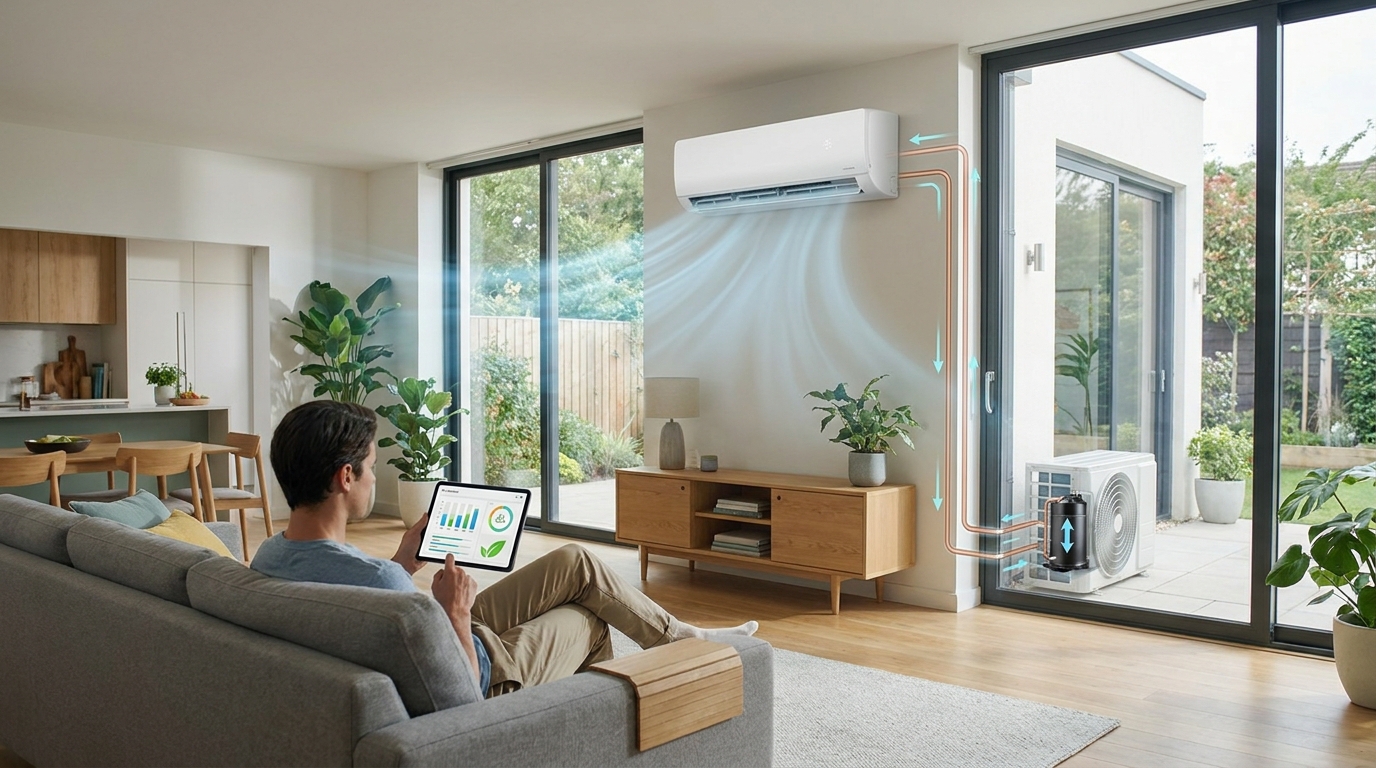
A single-stage heat pump operates at one capacity (100% on or off), while a two-stage heat pump has two operational levels: high capacity (100%) and low capacity (65-70%). This fundamental difference impacts everything from your comfort to your monthly utility bills.
After analyzing hundreds of homeowner experiences and consulting with HVAC professionals, we’ve found that the right choice depends on your climate, budget, and comfort priorities. This comprehensive guide will help you make an informed decision based on real-world data and expert insights.
Throughout this article, we’ll explore the technical differences, cost implications, and real-world performance of both systems to help you determine which heat pump technology will serve your home best. You can also explore our complete HVAC system guides for more detailed information on home heating and cooling options.
A single-stage heat pump is a traditional HVAC system that operates at full capacity (100%) whenever it’s running, then shuts off completely when your home reaches the desired temperature. This simple on/off operation has been the standard for decades and remains popular for its reliability and lower upfront costs.
Single-stage systems use a basic compressor technology that’s essentially either running at maximum power or not running at all. This simplicity makes them less expensive to manufacture, install, and repair compared to more complex multi-stage systems. The technology is mature and well-understood by virtually all HVAC technicians, which means you’ll have no trouble finding qualified installers and service providers.
These systems typically have SEER ratings ranging from 14-16 and HSPF ratings of 8.2-8.6, making them reasonably efficient but not at the cutting edge of energy conservation. The simplicity of the design means fewer components that can fail, which contributes to their reputation for reliability and lower maintenance costs over time.
Single-stage heat pumps work best in moderate climates where extreme temperatures are rare, and for homeowners who prioritize lower upfront costs over maximum efficiency. The system’s simplicity also makes it easier to troubleshoot and repair, potentially saving you money on maintenance over the system’s lifespan.
⚠️ Important: Single-stage systems work best in moderate climates where extreme temperatures are rare. If you live in an area with severe winters or hot, humid summers, you may want to consider a two-stage system.
The operation cycle of a single-stage heat pump is straightforward: when your home’s temperature falls below your thermostat setting, the system kicks on at 100% capacity and runs until the temperature reaches the set point, then shuts off completely. This creates a noticeable temperature swing of 2-4 degrees between cycles as the system ramps up and down.
For example, if you set your thermostat to 72°F, a single-stage system might run until your home reaches 73°F, then shut off until the temperature drops to 71°F before starting again. This cycling can create temperature variations throughout your home and may lead to hot or cold spots, especially in larger houses or those with multiple levels.
The system’s simplicity extends to its components as well. Single-stage heat pumps have fewer moving parts than their multi-stage counterparts, which reduces the likelihood of mechanical failures. The compressor runs at a consistent speed when operating, and there are no complex electronics or sensors needed to manage multiple output levels.
This straightforward operation also means that single-stage systems are compatible with virtually any standard thermostat, including older models and basic programmable thermostats. You don’t need to invest in expensive smart thermostats or specialized control systems to operate a single-stage heat pump effectively.
Advantages:
Disadvantages:
Two-stage heat pumps represent a significant advancement in HVAC technology, offering more precise temperature control and improved energy efficiency through their ability to operate at two different capacity levels. These systems run at low capacity (65-70%) for the majority of the time and only ramp up to high capacity (100%) when extreme temperatures demand it.
The key innovation in two-stage systems is their advanced compressor technology, which can adjust its output based on your home’s heating and cooling needs. This allows the system to maintain a more consistent temperature without the constant on/off cycling that characterizes single-stage models. The result is better comfort control, improved energy efficiency, and quieter operation for most of the time.
Two-stage heat pumps typically achieve higher SEER ratings of 16-19 and HSPF ratings of 8.5-9.5, representing significant improvements in energy efficiency over single-stage models. This efficiency gain comes from the system’s ability to run longer at lower capacity, which maintains more consistent temperatures and reduces the energy-intensive startup cycles that consume extra power.
The technology is particularly beneficial in climates with moderate to extreme temperature variations, where the system can operate in low stage most of the time but still provide full heating or cooling capacity when needed. This flexibility makes two-stage systems increasingly popular among homeowners who prioritize comfort and energy efficiency.
“After upgrading to a two-stage system, my energy bills decreased by 23% and the temperature swings I used to experience completely disappeared. The consistent comfort is worth every penny of the extra investment.”
– Homeowner from Reddit r/HVAC community
Two-stage heat pumps operate in two distinct modes, automatically switching between them based on your home’s heating and cooling demands. In low-stage mode (typically 65-70% capacity), the system runs for longer periods at reduced power, maintaining temperatures with minimal variation and removing humidity more effectively during cooling operation.
The system automatically determines which stage to use based on several factors: the difference between your thermostat setting and the current temperature, how quickly the temperature is changing, and the outdoor temperature. On mild days, the system may remain in low stage for the entire heating or cooling cycle, only switching to high stage when temperatures become extreme or when you need to quickly change your home’s temperature.
For example, on a typical spring day, your two-stage heat pump might operate entirely in low stage, running continuously but at reduced power to maintain your thermostat setting. However, during a summer heatwave or winter cold snap, the system will switch to high stage to provide the additional heating or cooling capacity needed to keep your home comfortable.
This intelligent operation means that two-stage systems typically spend 70-80% of their operating time in low-stage mode, only using high-stage capacity when absolutely necessary. This is where the energy efficiency gains come from – avoiding the energy-intensive startup cycles and running longer at more efficient power levels.
✅ Pro Tip: Two-stage systems work particularly well with programmable thermostats that can take advantage of the system’s ability to maintain consistent temperatures over extended periods.
The technology behind two-stage heat pumps goes beyond just having two capacity levels. These systems incorporate advanced electronics, multiple sensors, and sophisticated control algorithms that optimize performance based on real-time conditions. The result is a system that responds more intelligently to your home’s needs and provides better overall comfort.
One significant advantage is improved humidity control during cooling operation. Because two-stage systems run longer at lower capacity, they remove moisture from the air more effectively than single-stage systems that frequently cycle on and off. This is particularly important in humid climates where moisture removal is essential for comfort and preventing mold growth.
Two-stage systems also operate more quietly, especially during low-stage operation when the compressor runs at reduced speed. Most homeowners report that the noise level is barely noticeable during normal operation, with only slightly increased sound when the system switches to high-stage during extreme weather conditions.
The system’s ability to maintain more consistent temperatures also reduces wear and tear on components. Fewer startup cycles mean less stress on the compressor and other moving parts, which can contribute to longer system lifespan despite the increased complexity of the technology.
Advantages:
Disadvantages:
The fundamental difference between these two technologies comes down to how they manage energy delivery to your home. Single-stage systems operate like a light switch – either full on or completely off – while two-stage systems work more like a dimmer switch, providing just the right amount of heating or cooling needed to maintain your comfort.
This core difference impacts every aspect of system performance, from energy efficiency to comfort levels to operating costs. Understanding these differences is crucial for making the right choice for your specific situation and priorities.
| Feature | Single Stage Heat Pump | Two Stage Heat Pump | Winner |
|---|---|---|---|
| Operating Capacity | 100% when running | 65-70% low stage, 100% high stage | Two Stage |
| Energy Efficiency (SEER) | 14-16 | 16-19 | Two Stage |
| Heating Efficiency (HSPF) | 8.2-8.6 | 8.5-9.5 | Two Stage |
| Temperature Consistency | 2-4°F variation | 1-2°F variation | Two Stage |
| Humidity Control | Fair (short cycles) | Excellent (longer cycles) | Two Stage |
| Noise Level | Louder (full power startup) | Quieter (low stage operation) | Two Stage |
| Installation Cost | $8,000-12,000 | $10,000-16,000 | Single Stage |
| Repair Complexity | Simple (fewer components) | Complex (more components) | Single Stage |
| Reliability | Higher (simpler design) | Slightly lower (more complex) | Single Stage |
| Best Climate | Moderate/temperate | Variable/extreme | Depends on location |
The comparison clearly shows that two-stage systems offer superior performance in comfort and efficiency, while single-stage systems win on cost and simplicity. The right choice depends on your specific priorities, budget, and local climate conditions.
In real-world operation, the differences between these system types become even more apparent. Single-stage systems tend to create noticeable temperature swings throughout the day, while two-stage systems maintain remarkably consistent temperatures regardless of outdoor conditions.
For example, on a typical summer day with temperatures in the mid-80s, a single-stage system might cycle on for 10-15 minutes every hour, running at full capacity each time. This creates temperature variations of 2-4 degrees and significant humidity fluctuations as the system cycles on and off.
A two-stage system in the same conditions might run continuously for 45-60 minutes at low capacity, maintaining a steady temperature within 1-2 degrees of your thermostat setting and removing humidity more consistently. The longer run time also means air passes through the filter more frequently, improving indoor air quality.
During extreme weather conditions, both systems will need to run at higher capacity, but the two-stage system will still operate more efficiently by using just enough power to maintain temperature, rather than always running at maximum output.
The energy consumption patterns between these two systems reveal why two-stage heat pumps achieve better efficiency ratings. Single-stage systems consume the most energy during startup cycles, which happen frequently as the system turns on and off to maintain temperature.
Two-stage systems minimize these energy-intensive startup cycles by running longer at lower capacity. Even though they may run for more total time, they consume less energy overall because they avoid the power surges associated with frequent startups and operate more efficiently at lower capacity levels.
⏰ Time Saver: Two-stage systems typically save 15-25% on energy costs compared to single-stage models, with savings highest in climates with significant temperature variations.
Real-world data from homeowners shows average monthly energy savings of $20-40 with two-stage systems, with the greatest savings occurring during shoulder seasons (spring and fall) when the systems can operate primarily in low-stage mode.
The financial question of whether a two-stage heat pump is worth the additional investment is one that homeowners struggle with constantly. The answer depends on your climate, energy costs, how long you plan to stay in your home, and your tolerance for temperature variations.
Two-stage systems typically cost $2,000-4,000 more upfront than comparable single-stage models. This premium covers the more complex compressor technology, additional sensors, and more sophisticated control electronics. While this represents a significant initial investment, the long-term energy savings can help offset this difference over time.
Based on real homeowner data, two-stage systems typically achieve energy savings of 15-25% compared to single-stage models. For an average home spending $200 per month on heating and cooling, this translates to monthly savings of $30-50, or $360-600 per year. At this rate, the payback period for the additional investment would be approximately 5-10 years.
The installation costs for both system types include several components beyond the equipment itself. Professional installation typically accounts for 30-40% of the total project cost and includes labor, materials, permits, and any necessary electrical or ductwork modifications.
For a single-stage system, you can expect total installation costs of $8,000-12,000 depending on the size of your home, complexity of the installation, and your geographic location. Two-stage systems typically cost $10,000-16,000 for the complete installation, with the higher end reflecting larger homes or more complex installations.
These costs can vary significantly based on several factors:
The long-term operating costs extend beyond just energy consumption to include maintenance, repairs, and eventual replacement. Two-stage systems, while more complex, often have similar maintenance costs to single-stage systems when properly installed and maintained.
Annual maintenance for both system types typically costs $100-200 and includes filter changes, coil cleaning, and system inspections. However, when repairs are needed, two-stage systems may cost more due to their more complex components and the need for more specialized technicians.
The expected lifespan for both system types is similar, typically 12-15 years with proper maintenance. Two-stage systems may have slightly shorter lifespans due to their increased complexity, but this can be offset by their more efficient operation, which reduces wear on components.
Let’s look at some real-world examples to understand the return on investment (ROI) for upgrading to a two-stage system:
Example 1 – Moderate Climate:
Homeowner in California pays $3,000 premium for two-stage system
Annual energy savings: $400
Payback period: 7.5 years
15-year total savings: $4,000 (after accounting for initial premium)
Example 2 – Extreme Climate:
Homeowner in Minnesota pays $3,500 premium for two-stage system
Annual energy savings: $600
Payback period: 5.8 years
15-year total savings: $5,500 (after accounting for initial premium)
Example 3 – Mild Climate:
Homeowner in Oregon pays $3,000 premium for two-stage system
Annual energy savings: $250
Payback period: 12 years
15-year total savings: $750 (after accounting for initial premium)
These examples show that the value proposition for two-stage systems varies significantly by climate. Homeowners in extreme climates typically see faster payback periods and greater long-term savings, while those in mild climates may never fully recoup the additional investment through energy savings alone.
Choosing between a single-stage and two-stage heat pump requires considering several factors specific to your situation. There’s no one-size-fits-all answer – the right choice depends on your climate, home characteristics, budget, and comfort priorities.
The decision framework should start with your climate zone, as this has the biggest impact on whether the additional efficiency and comfort benefits of a two-stage system will be fully utilized. Next, consider your budget constraints and how long you plan to stay in your current home, as this affects whether you’ll benefit from the long-term energy savings.
Finally, think about your comfort preferences and how much you value consistent temperatures and humidity control. For some homeowners, the improved comfort provided by two-stage systems is worth the additional cost regardless of energy savings.
Your local climate plays a crucial role in determining which heat pump technology will serve you best. The efficiency and comfort benefits of two-stage systems are most pronounced in areas with significant temperature variations, while single-stage systems may be perfectly adequate in moderate climates.
Hot/Humid Climates (Phoenix, Miami, Houston):
Two-stage systems are strongly recommended for these regions due to their superior humidity control and consistent temperature maintenance. The longer cooling cycles at lower capacity remove moisture more effectively, making your home feel more comfortable even at higher thermostat settings. You might also want to explore specialized mini split heat pumps for extreme weather conditions.
Cold Climates (Minnesota, Maine, Colorado):
Two-stage systems provide significant benefits in cold regions by maintaining more consistent heating temperatures and operating more efficiently in cold weather. The ability to run at lower capacity when temperatures are moderate, then ramp up to full capacity during extreme cold, provides both comfort and efficiency advantages.
Moderate Climates (California, Oregon, Virginia):
Single-stage systems may be perfectly adequate in these regions where temperature variations are less extreme. The energy savings from two-stage systems will be smaller, and the longer payback period may make the additional investment harder to justify unless you prioritize comfort above all else.
Areas with Wide Temperature Swings:
If you live in an area that experiences both very hot summers and very cold winters, a two-stage system provides year-round benefits by adapting to changing conditions and maintaining comfort regardless of the season.
Climate Suitability: Two-stage systems provide the most benefit in climates with temperature variations of 30°F or more between seasonal extremes, where they can utilize both low and high-stage operation effectively.
The size and insulation quality of your home significantly impact which heat pump system will perform best. Larger homes or those with multiple levels benefit more from the consistent operation of two-stage systems, while smaller, well-insulated homes may be adequately served by single-stage technology.
Large Homes (2,500+ sq ft):
Two-stage systems are recommended for larger homes due to their ability to maintain consistent temperatures throughout the entire living space. The reduced temperature swings help eliminate hot and cold spots that can be problematic in larger houses with multiple zones.
Small to Medium Homes (1,200-2,500 sq ft):
Both system types can work well in these homes. The decision should be based more on climate and budget considerations than size alone. Well-insulated homes in moderate climates may not need the sophistication of two-stage technology.
Poorly Insulated Homes:
Two-stage systems can help compensate for poor insulation by running longer at lower capacity, which helps maintain more consistent temperatures despite heat loss or gain through the building envelope. However, addressing insulation issues should be a priority regardless of system type.
Multi-Story Homes:
Two-stage systems often perform better in multi-story homes by maintaining more consistent temperatures between floors. The longer run times help even out temperature differences that can occur due to heat rising to upper levels.
Your budget constraints and financial priorities play a significant role in the decision between single-stage and two-stage heat pumps. Consider not just the upfront costs but also the long-term financial implications of your choice.
If budget is the primary concern:
Single-stage systems provide adequate heating and cooling at a significantly lower initial cost. While they may cost more to operate, the lower upfront investment can make them the right choice for homeowners with limited budgets or those who don’t plan to stay in their current home long enough to benefit from long-term energy savings.
If long-term value is prioritized:
Two-stage systems offer better long-term value through reduced energy costs and improved comfort. While the initial investment is higher, the cumulative energy savings over the system’s lifespan can offset this difference, especially if you plan to stay in your home for 7+ years.
If financing is needed:
Many homeowners choose to finance heat pump installations, and the monthly payment difference between single-stage and two-stage systems is often smaller than the monthly energy savings, making two-stage systems financially attractive from day one.
After analyzing the technical differences, cost implications, and real-world performance of both single-stage and two-stage heat pumps, the choice ultimately comes down to your specific circumstances and priorities. There’s no universal answer that works for every homeowner in every situation.
Choose a single-stage heat pump if: You’re on a tight budget, live in a moderate climate with minimal temperature variations, plan to move within 5-7 years, or prefer the simplicity and reliability of time-tested technology. Single-stage systems provide adequate heating and cooling at a lower initial cost and may be the more practical choice for many homeowners.
Choose a two-stage heat pump if: You prioritize consistent comfort and humidity control, live in a climate with significant temperature variations, plan to stay in your home long-term, or want to maximize energy efficiency. The additional investment will pay for itself over time through energy savings, and you’ll enjoy superior comfort throughout the year.
Remember that installation quality is more important than system type for overall performance. A properly installed single-stage system will outperform a poorly installed two-stage system every time. Always choose a qualified, experienced installer regardless of which technology you select.
For more information about heat pump options and HVAC system guides, explore our comprehensive reviews and comparisons. The right heat pump choice will keep you comfortable and save you money for years to come.