Physical Address
304 North Cardinal St.
Dorchester Center, MA 02124
Physical Address
304 North Cardinal St.
Dorchester Center, MA 02124

HVAC stands for Heating, Ventilation, and Air Conditioning - the comprehensive system that controls indoor temperature, humidity, and air quality in buildings. Learn about system components, types, and energy efficiency in our complete guide.
HVAC stands for Heating, Ventilation, and Air Conditioning – the comprehensive system that controls indoor temperature, humidity, and air quality in buildings. These essential systems provide year-round comfort through heating during winter months, cooling in summer, and continuous air circulation throughout the year.
Modern HVAC systems have evolved beyond simple temperature control to become sophisticated climate management solutions that can significantly impact your energy costs, health, and overall comfort. Whether you’re a homeowner looking to understand your current system or someone considering an HVAC career, this guide covers everything you need to know.
From the basic components that work together to regulate your indoor environment to the various system types available for different needs, understanding HVAC fundamentals helps you make informed decisions about installation, maintenance, and upgrades that can save money while improving comfort.
The HVAC acronym represents three distinct but interconnected functions that work together to create comfortable indoor environments. Each letter represents a critical aspect of climate control that addresses specific comfort and health needs.
Heating systems maintain comfortable indoor temperatures during cold weather by generating and distributing warmth throughout your home. The most common heating components include furnaces that burn fuel or use electricity to produce heat, and heat pumps that transfer thermal energy from outside to inside your home.
Modern heating systems have evolved significantly in efficiency over the years. High-efficiency furnaces can convert up to 98% of fuel into usable heat, while advanced heat pumps can extract warmth from outdoor air even when temperatures drop below freezing. These improvements have reduced heating costs while minimizing environmental impact.
Ventilation represents the often-overlooked but crucial function of exchanging indoor air with outdoor air to maintain air quality and remove contaminants. Proper ventilation removes stale air, moisture, odors, and pollutants while introducing fresh air that prevents the buildup of harmful substances like carbon dioxide and volatile organic compounds.
Ventilation systems range from simple exhaust fans in bathrooms and kitchens to sophisticated heat recovery ventilators (HRVs) that exchange air while preserving up to 85% of the heat energy. These systems are particularly important in modern, well-sealed homes where natural air exchange is limited.
Air conditioning removes heat and humidity from indoor air during warm weather, creating comfortable living conditions while preventing moisture-related problems like mold growth. Central air conditioners use refrigerant to absorb heat from indoor air and transfer it outside, while also dehumidifying the air as it passes through the system.
Modern air conditioning systems have become significantly more efficient over the years, with today’s high-efficiency models using up to 50% less energy than systems from just 15 years ago. This efficiency improvement comes from advances in compressor technology, refrigerant formulations, and system design.
HVAC systems consist of multiple components working together to control indoor climate. Understanding each component helps you recognize how your system functions and what might be causing problems when performance declines.
HVAC Components: The individual parts that work together to provide heating, ventilation, and air conditioning functions in a coordinated system.
HVAC systems operate through sophisticated thermodynamic processes that move heat energy to create comfortable indoor environments. The basic principles remain consistent across different system types, though specific implementations vary based on whether you’re heating or cooling.
During heating operation, furnaces generate heat through combustion or electrical resistance. This heat warms air that the blower motor pushes through ductwork into living spaces. Heat pumps reverse their cooling operation, extracting ambient heat from outdoor air and transferring it indoors through refrigerant cycle.
The heating process begins when the thermostat detects indoor temperature below your set point and signals the system to start. The ignition sequence activates (in gas furnaces) or the heating elements engage (in electric systems), while the blower motor simultaneously starts circulating air across the heat exchanger or heat source.
As air passes through the system, it picks up heat energy and carries it through ductwork to registers in each room. The thermostat continuously monitors temperature and cycles the system off when desired temperature is reached, conserving energy while maintaining comfort.
Cooling operation relies on the refrigeration cycle to remove heat from indoor air. The compressor pressurizes refrigerant gas, causing it to become extremely hot. This hot gas flows to the outdoor condenser coil where fans cool it, converting it to liquid form.
The liquid refrigerant then travels to the indoor evaporator coil, where it expands and becomes extremely cold. As the blower pulls warm indoor air across this cold coil, heat transfers from the air to the refrigerant, cooling the air that continues into your home.
The refrigerant, now warmed by absorbing indoor heat, returns to the compressor to restart the cycle. Meanwhile, the cooled air circulates through your home, removing humidity as it passes through the cold evaporator coil, with moisture collecting and draining away.
While heating and cooling cycles control temperature, ventilation maintains air quality by exchanging stale indoor air with fresh outdoor air. Modern HVAC systems incorporate filtration that removes particulates, allergens, and pollutants as air circulates through the system.
Advanced systems may include additional air quality features like UV lights that kill microorganisms, electronic air cleaners that capture tiny particles, and humidifiers or dehumidifiers that maintain optimal moisture levels. These additions create healthier indoor environments beyond basic temperature control.
HVAC systems come in various configurations designed for different building types, climates, and efficiency requirements. Understanding these system types helps you choose the best option for your specific situation.
| System Type | Best For | Efficiency | Installation Cost |
|---|---|---|---|
| Split System | Most homes with existing ductwork | High (14-26 SEER) | Moderate ($4,000-$9,000) |
| Packaged System | Homes without basement/crawlspace | Medium-High (14-24 SEER) | Moderate-High ($5,000-$11,000) |
| Ductless Mini-Split | Homes without ductwork | Very High (20-30 SEER) | High ($6,000-$15,000) |
| Geothermal | Energy-focused homeowners | Extremely High (20-35+ SEER) | Very High ($15,000-$35,000) |
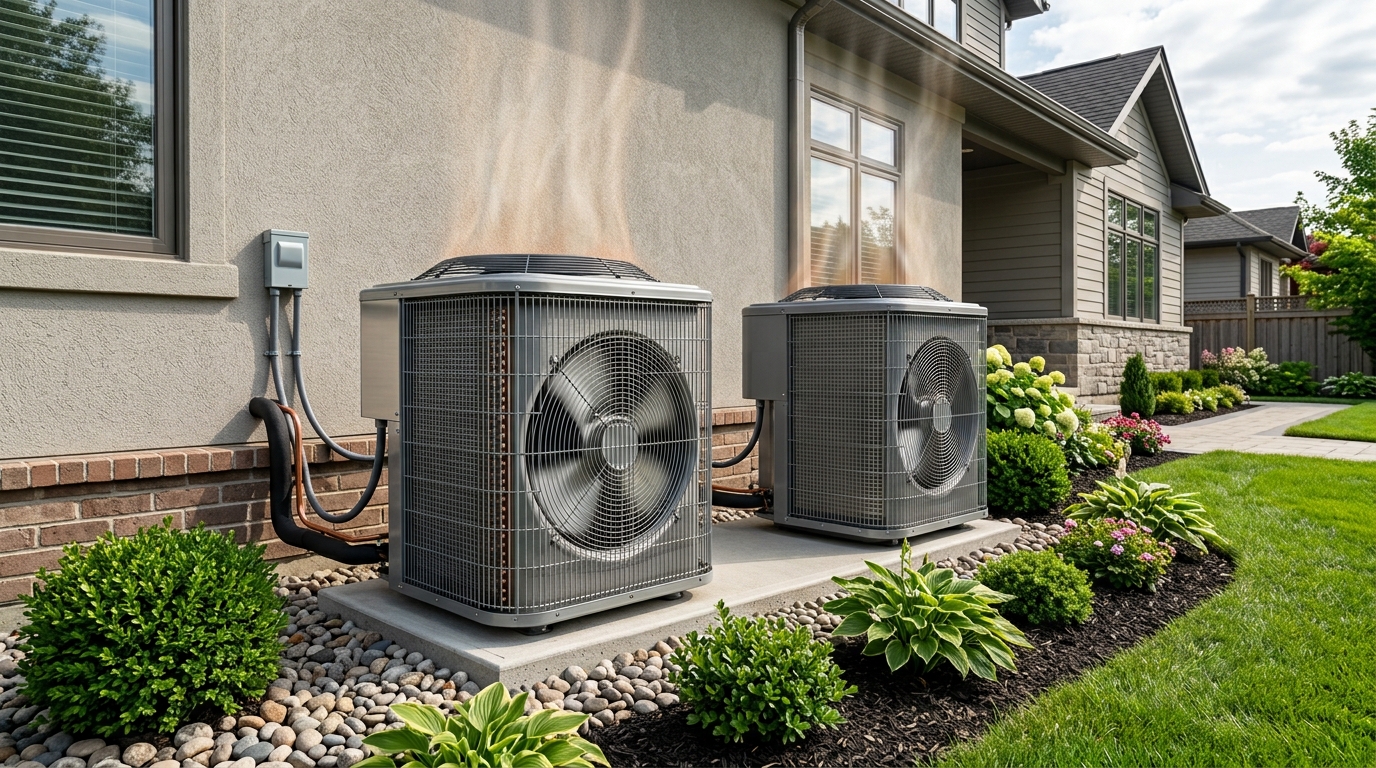
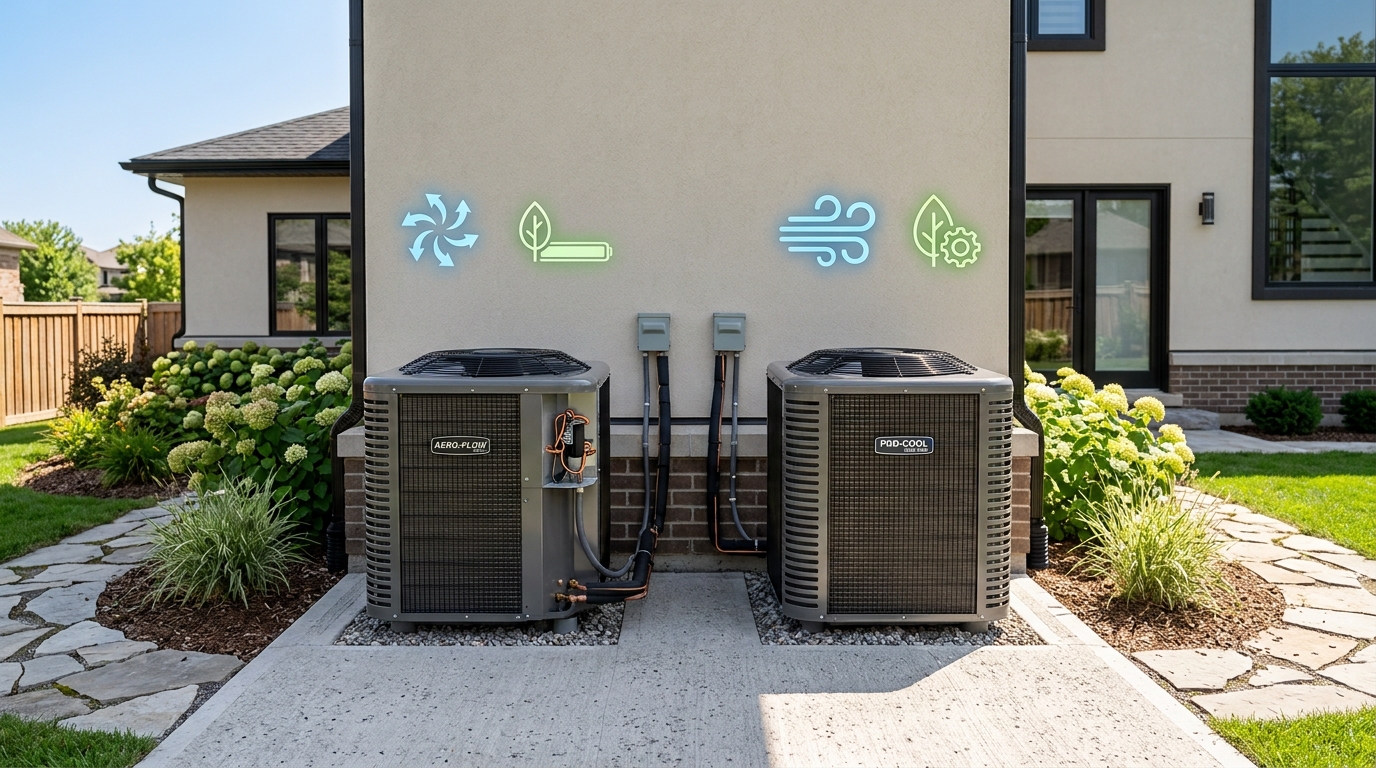
Split systems are the most common HVAC configuration, consisting of separate indoor and outdoor units connected by refrigerant lines and electrical wiring. The outdoor unit contains the compressor and condenser coil, while indoor components include the furnace or air handler and evaporator coil.
These systems offer excellent efficiency, quiet indoor operation, and flexibility in component selection. They’re ideal for homes with existing ductwork and provide reliable performance with relatively straightforward maintenance requirements. The separated components also allow for easier service and replacement of individual parts.
Packaged systems combine all components into a single outdoor unit, typically installed on a concrete slab beside the home. These all-in-one systems contain the compressor, condenser, evaporator coil, and blower motor in one cabinet, with only ductwork connecting to the home.
Packaged systems work well in homes without adequate indoor space for separate components, such as those built on slabs without basements or crawlspaces. They offer easier installation and maintenance access but may have slightly lower efficiency than the best split systems.
Ductless mini-split systems provide zoned heating and cooling without requiring ductwork. Each indoor unit serves a specific room or zone, connected to an outdoor compressor by small refrigerant lines. This configuration allows independent temperature control in different areas.
These systems excel in energy efficiency, avoiding the duct losses that can reduce system performance by 20-30%. They’re ideal for home additions, historic buildings without ductwork, or situations where adding ductwork would be impractical or expensive.
Geothermal HVAC systems use the constant temperature of the earth for highly efficient heating and cooling. Underground pipes circulate water or refrigerant that exchanges heat with the ground, providing exceptional efficiency regardless of outdoor air temperature.
While installation costs are significantly higher, geothermal systems offer the lowest operating costs of any HVAC type, with typical efficiency ratings of 300-600% (compared to 95% for high-efficiency furnaces). These systems excel in extreme climates where conventional systems struggle with efficiency.
Energy efficiency represents one of the most important factors in HVAC selection, directly impacting both operating costs and environmental footprint. Understanding efficiency ratings and their real-world implications helps you make informed decisions about system upgrades and replacements.
HVAC efficiency is measured through various rating systems that indicate how effectively systems convert energy into heating or cooling. These ratings help you compare different models and estimate potential energy savings.
Higher efficiency systems typically cost more upfront but can provide significant savings over their operational lifetime. The payback period varies based on your climate, energy costs, and usage patterns, but many homeowners recover the additional cost through energy savings within 5-10 years.
✅ Pro Tip: Calculate potential savings by comparing your current system’s efficiency with new models. A 3 SEER improvement can reduce cooling costs by 10-15%, while upgrading from an 80% to 95% AFUE furnace can reduce heating costs by approximately 16%.
Regular maintenance significantly impacts both efficiency and operating costs. Dirty filters, leaking ducts, and unmaintained equipment can reduce system efficiency by 20-30%, increasing energy bills while shortening equipment lifespan. Investing in professional maintenance typically pays for itself through improved efficiency and fewer emergency repairs.
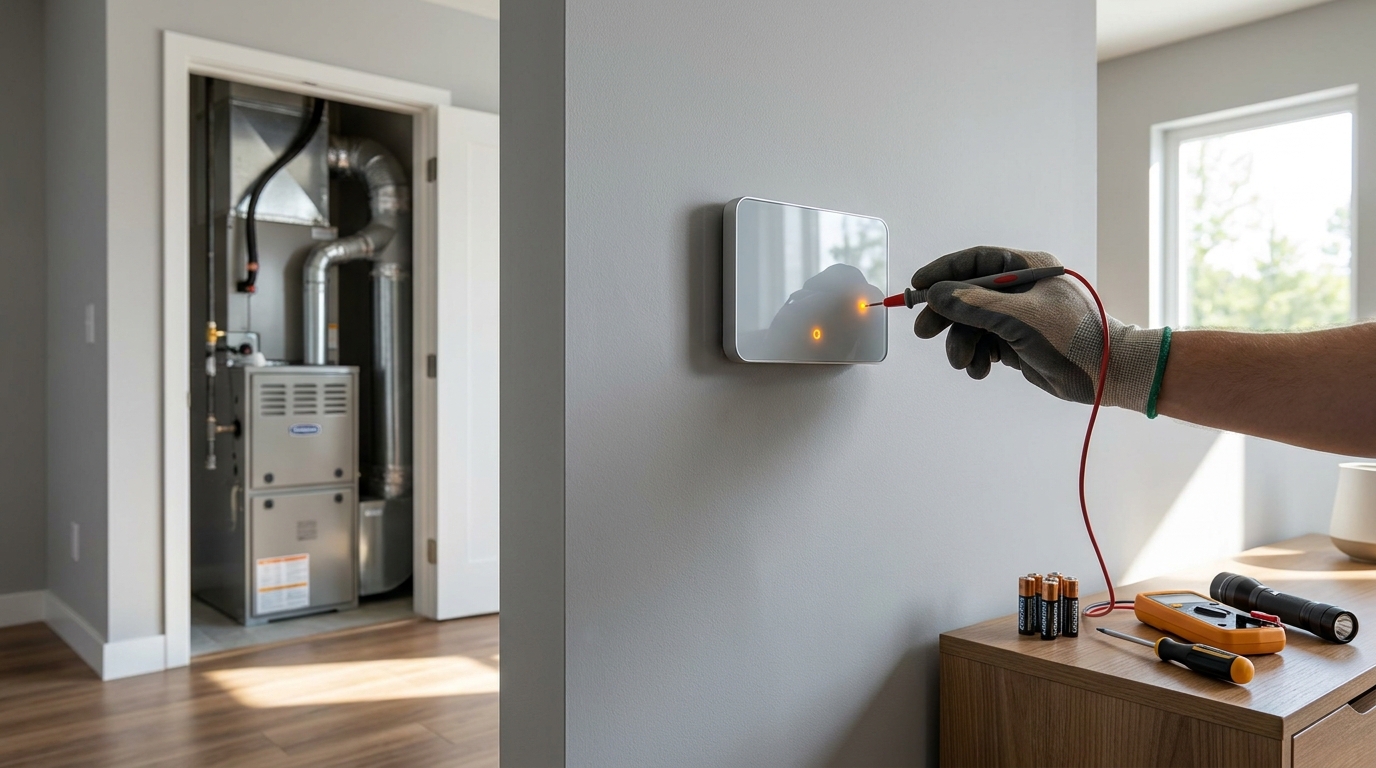
For those interested in maintenance themselves, having the right HVAC maintenance tools can help identify and address minor issues before they become major problems. Similarly, professional HVAC equipment ensures proper servicing and optimal system performance.
Understanding HVAC systems empowers you to make better decisions about installation, maintenance, and replacement that impact your comfort, health, and energy costs for years to come. From basic components to advanced system types, the right HVAC knowledge helps you work effectively with professionals and recognize when systems need attention.
Whether you’re maintaining an existing system or planning an upgrade, focus on efficiency ratings appropriate for your climate, regular maintenance schedules, and professional installation. The investment in quality HVAC equipment and proper care pays dividends through lower energy bills, improved comfort, and fewer unexpected repairs.
For those interested in professional diagnostic tools or measurement equipment, quality equipment ensures accurate system assessment and maintenance. Meanwhile, homeowners looking to upgrade their cooling components should research air conditioning systems that match their specific needs and efficiency goals.
Remember that HVAC technology continues advancing, with smart thermostats, variable speed motors, and environmentally friendly refrigerants becoming standard features. Staying informed about these developments helps you take advantage of new technologies that improve comfort while reducing energy consumption and environmental impact.