Physical Address
304 North Cardinal St.
Dorchester Center, MA 02124
Physical Address
304 North Cardinal St.
Dorchester Center, MA 02124

In an era where data serves as currency, your genetic code might be the most valuable asset you never realized you were giving away. The appeal of discovering ancestral roots or uncovering health predispositions has led millions to mail their saliva to DNA testing companies. But as we navigate through 2026, the landscape of genetic privacy has shifted dramatically. The question on everyone’s mind has evolved from simple curiosity to genuine concern: Can DNA tests put your personal information at risk?
The answer proves far more complicated than most people realize. While these services promise to unlock secrets about your heritage and health, they simultaneously create permanent digital records of the most intimate data you possess. Recent events have thrown these risks into sharp relief. When 23andMe filed for bankruptcy in March 2025, millions of users suddenly faced an uncomfortable reality: their genetic information could be sold as part of corporate assets to the highest bidder. This development serves as a wake-up call for anyone who has ever considered submitting a DNA sample.
I have spent considerable time examining the evolving privacy landscape surrounding consumer DNA testing, and the findings reveal significant gaps in protection that most users never consider when they click “I agree” on those lengthy user agreements. From insurance discrimination to law enforcement access through genealogy databases, your genetic data faces threats extending far beyond simple data breaches. Understanding these risks is essential before you decide whether to spit in that tube or take meaningful steps to protect information you have already shared.
The appeal is obvious: By simply spitting into a tube or swabbing the inside of your cheek, you can unlock genetic mysteries that may stretch back generations. These tests have democratized access to information that was once available only through expensive medical testing or extensive genealogical research. The ability to connect with distant relatives, discover ethnic backgrounds spanning continents, and receive health-related insights has transformed how we understand ourselves and our families.
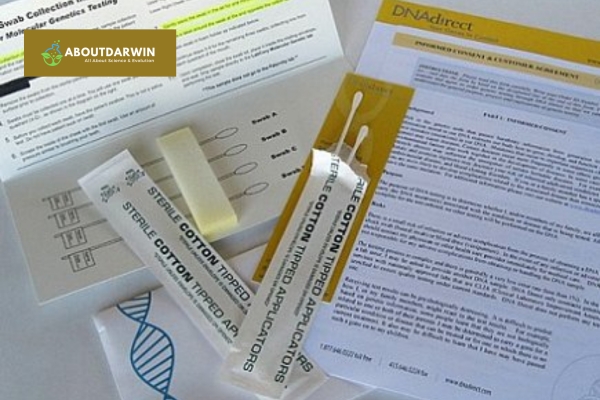
But such DNA testing services also come with inherent privacy concerns that are bound by few legal guidelines regulating the use of your data. Before you consider giving a DNA test as a gift or taking one yourself, it is worth understanding exactly what you are trading for those ancestry percentages. The decision affects not just you but potentially your entire family network of relatives who never consented to having their genetic information analyzed and stored in commercial databases.
Curiosity about heritage drives most people to purchase DNA testing kits. The desire to understand one’s origins, confirm family stories, or break through genealogical brick walls represents the most common motivation. Many users report deeply emotional experiences when discovering previously unknown ancestry connections or identifying biological family members through sophisticated matching algorithms that can identify relatives sharing as little as 0.1% of DNA.
Others approach DNA testing primarily for health insights. Companies like 23andMe offer reports on carrier status for genetic conditions, health predispositions, and wellness traits. For individuals with concerning family health histories suggesting hereditary conditions, these reports can provide actionable information for medical decisions and proactive health management. The promise of personalized insights based on one’s genetic blueprint motivates a significant portion of the market.
Some users are drawn by the promise of personalized wellness insights. Companies advertise the ability to tailor diet, exercise, and lifestyle recommendations based on your genetic profile. Others seek confirmation of family stories or hope to break through brick walls in their genealogical research. If you are considering DNA testing as a gift, you can read more about the privacy implications in our detailed article on DNA Test as a Gift.
The consumer DNA testing market includes several dominant players, each with distinct business models and privacy approaches. AncestryDNA, 23andMe, MyHeritage, and FamilyTreeDNA represent the largest platforms in terms of user database size. Each company maintains its own Terms of Service and Privacy Policy, which govern how your genetic information gets handled, shared, retained, and potentially transferred to third parties over time.
These companies collect your DNA sample, process it in CLIA-certified laboratories, generate your results, and store both the physical sample and the resulting data in their databases. What happens to that stored data if the company gets acquired, goes bankrupt, or decides to change its business model depends entirely on privacy language buried in those lengthy user agreements that few people actually read before clicking accept.
It ultimately comes down to trust: when you send off that tiny tube with your saliva inside, you are hoping these companies will play by the rules and keep your most personal details confidential. But the 23andMe bankruptcy demonstrated that corporate promises can evaporate when financial realities intervene. If you want to compare how different companies handle privacy, law enforcement requests, and data sharing, see our comparison article on 23andMe vs FamilyTreeDNA.
Also Read: Download Raw Data from AncestryDNA: Easy, Fast How-To!
When you decide to tap into the secrets held in your DNA through an at-home test, it is not just about finding out where your ancestors came from or whether you face increased risk for certain diseases. There is something critically important tucked away in those test kits that does not involve swabs or saliva: the user agreement. It resembles when you install a new app and hit “agree” on the terms without really reading them, except with DNA tests, there is infinitely more at stake because the data involved is uniquely personal and permanent.
Recent regulatory actions have highlighted exactly how consequential these agreements are. The Federal Trade Commission has become increasingly active in investigating DNA testing companies for potentially deceptive privacy practices. Health.io Inc., for example, faced FTC scrutiny over its data handling practices that misled consumers about how their genetic information would be used and shared. These enforcement actions signal that regulators are finally paying meaningful attention to an industry that has operated with minimal oversight while accumulating vast amounts of sensitive data.
Before you even open that DNA test kit box, digital paperwork awaits: the user agreements that come with these tests contain substantial provisions about how your genetic information will be used, retained, and potentially disclosed. Privacy deserves serious attention, so let’s illuminate those key clauses about personal data that deserve your scrutiny before you submit your sample.
In simpler terms, companies promise they will keep your genetic secrets confidential. But these promises can be difficult to locate and fully understand within dense legal documents. The March 2025 23andMe bankruptcy filing revealed that approximately 15 million users’ genetic profiles could potentially be sold as corporate assets to repay creditors. This scenario is no longer hypothetical; it represents documented reality that has already affected millions of consumers who trusted the company with their most sensitive information.
Understanding how cozy these companies become with third parties when sharing what they know about our cellular building blocks reveals a more complex picture than most marketing materials suggest. The revenue models of consumer DNA companies extend well beyond test kit sales into data licensing arrangements that can persist for years after you submit your sample.
Data selling: Some companies generate substantial revenue by sharing genetic information with pharmaceutical giants hunting for clues in our genes for drug development. While this research can potentially lead to medical breakthroughs, it also means your genetic information contributes to corporate profits in ways you may never explicitly consent to beyond clicking “agree” on initial terms. Most companies anonymize shared data, but researchers have repeatedly demonstrated that anonymized genetic data can often be re-identified through sophisticated analysis techniques.
Research projects: Your spit samples may get sent to research labs not just to determine whether you are more Scottish than Spanish but also for major health studies aimed at curing diseases. Companies like 23andMe built significant revenue streams through partnerships with pharmaceutical companies including GlaxoSmithKline, which acquired a 300 million dollar stake in the company specifically to gain access to patient genetic data for drug development. Users can opt out of research participation, but most accounts default to participating in certain programs unless actively toggled off.
Biobank storage: Many companies store your physical DNA sample long after testing is complete in facilities that maintain your complete genetic blueprint, not just the snippets analyzed for your ancestry or health reports. 23andMe, for instance, retains samples in their biobank unless you explicitly request destruction. This raises questions about future testing capabilities and what might be discovered from your DNA years after you originally submitted it, using technologies that do not yet exist.
These data sharing arrangements sound acceptable if they help find cures for diseases, even noble in principle, but complications arise when relatives become identifiable through shared DNA because a family member decided to test. The fundamental issue is that when you hand over your saliva and sign away certain rights, significant decisions about who sees pieces of you at the molecular level are being made by others according to terms you may not fully understand.
Your testing company does have access to your genetic information along with any personal data in your member profile. They may use customer data for medical or genetic research, and yes, your DNA results can potentially identify relatives including future descendants who may become persons of interest in criminal investigations. The risks extend far beyond simple data breaches into areas that most users never consider when they mail off that saliva sample with enthusiasm about discovering their ancestry.
Bad actors who break into computer systems could steal your information. This is not theoretical speculation. In October 2023, 23andMe suffered a significant data breach affecting approximately 6.9 million users. The attackers accessed personal information including names, email addresses, genetic ancestry results, and in some cases, health-related data including predispositions to various conditions. The breach exposed the uncomfortable fact that even companies collecting our most sensitive genetic information lack adequate security measures against determined attackers.
The breach itself occurred through credential stuffing attacks, where hackers used username and password combinations leaked from other data breaches to access 23andMe accounts. This attack vector highlighted a crucial truth: your genetic data security depends not only on the DNA company’s practices but also on your own password hygiene and the security of every other online service you use. If you reused passwords across multiple sites, your genetic information could be compromised through breaches of completely unrelated companies.
Stolen genetic data appeared on dark web marketplaces following the breach, where it commands premium prices compared to other personal information. Unlike credit card numbers that can be cancelled when compromised, genetic data is immutable. Once your genetic information is exposed through a breach, there is quite simply no way to obtain a new genetic code to replace it. The permanence of genetic data means any breach creates permanent exposure risk.
Here is a risk that receives far too little public attention: insurance companies can use your DNA against you in ways that are completely legal under current law. While the Genetic Information Non-Discrimination Act (GINA) prohibits health insurers and employers from using genetic information for coverage decisions or employment decisions, this federal law contains significant gaps that leave consumers vulnerable in several important areas.
GINA does not cover life insurance, disability insurance, or long-term care insurance. This means if your DNA test reveals a genetic predisposition to Alzheimer’s disease, certain cancers, or other serious conditions, life insurers can legally use that information to deny coverage or charge significantly higher premiums. Disability and long-term care insurers can similarly factor genetic risk into their underwriting decisions in ways that health insurers cannot.
The implications prove profound for consumers. A test taken out of curiosity about ancestry could affect your ability to provide financial security for your family decades later through life insurance or protect your assets through long-term care coverage. Unlike health insurance, which GINA protects, these other insurance categories can and do consider genetic information when making decisions about coverage availability and pricing. Some users have reported being asked about previous DNA testing on insurance applications, with those who have tested facing more scrutiny during underwriting.
A widespread misconception holds that HIPAA (the Health Insurance Portability and Accountability Act) protects your genetic privacy wherever that information resides. This assumption is dangerously incorrect. HIPAA applies specifically to covered entities including healthcare providers, health plans, and healthcare clearinghouses. Consumer DNA testing companies are not HIPAA-covered entities regardless of the sensitivity of the genetic data they collect and store.
This legal distinction means that when you submit your DNA to a consumer testing company, that information exists entirely outside the framework of healthcare privacy protections you may assume apply universally. Companies can share your genetic data with third parties without the strict restrictions that would govern the same information at your doctor’s office or hospital. The clinical genetic test your physician orders receives robust legal protections that the consumer test you purchased online simply does not.
Understanding this gap is crucial for making genuinely informed decisions about genetic testing. If you have concerns about how your genetic information could be used, the absence of HIPAA protections should factor heavily into your decision about whether to test, which company to choose, and what consent settings to enable. Some privacy-conscious users opt to use pseudonyms, provide minimal personal information during registration, or avoid companies with concerning business practices precisely because standard healthcare privacy frameworks provide no protection.
Many genealogy enthusiasts use multiple DNA databases by uploading their results to third-party platforms like GEDmatch for enhanced matching capabilities and additional analytical tools. This practice carries substantial privacy risks that users frequently overlook when they seek those extra insights beyond what their original testing company provides.
GEDmatch’s Terms of Service explicitly state that uploaded data may be used for matching purposes and may be accessed by law enforcement with proper legal process. The platform made international headlines when it was used to solve the Golden State Killer case through genetic genealogy techniques. While the platform has since changed policies to require explicit opt-in for law enforcement matching, users who uploaded data before these policy changes may still be searchable depending on their individual account settings. The site has also experienced security incidents, including a brief hack in 2020 that allowed unauthorized access to user data.
Other third-party analysis sites vary considerably in their security practices and privacy policies. Some are operated by small research teams with limited resources for cybersecurity infrastructure. When you upload your raw DNA data to these platforms, you are extending trust to entities beyond the original testing company with your complete genetic profile, not just the ancestry estimates from your original reports. The genealogy community on forums generally advises caution with third-party uploads, recognizing that these tools multiply the number of databases containing your genetic information and complicate any effort to maintain privacy control.
Given these significant concerns, DNA testing companies have implemented various security measures to protect user data from unauthorized access. While these efforts represent genuine attempts at privacy protection, they cannot eliminate all risks associated with storing such sensitive information in digital databases that remain attractive targets for hackers.
Despite these measures, the October 2023 23andMe breach demonstrates that no security system is impenetrable. Companies can implement strong protective measures, but users must also practice good password hygiene, enable two-factor authentication where available, and understand that their genetic data remains at risk as long as it exists in any digital format outside their direct control.
Also Read: 23andMe vs FamilyTreeDNA: Comprehensive Comparison
Genetic material including genes and DNA controls the development, maintenance, and reproduction of living organisms. Genetic information passes from generation to generation through inherited units of chemical information, typically genes. Once you have submitted a DNA sample, you may wonder what control you actually retain over this deeply personal information that now exists in corporate databases.
The privacy landscape continues to evolve rapidly, with legal challenges, regulatory actions, and corporate changes occurring regularly. Staying informed about current policies, understanding your rights, and taking proactive steps to manage your genetic privacy represents the most effective approach to protecting yourself and your family members who may be affected by your testing decisions.
After taking a DNA test, you might wonder what you can do to keep your genetic details as private as possible. The positive news is that most DNA testing companies provide account settings allowing you to limit how your genetic information gets used and shared with third parties. Exercising these options requires understanding what controls are available and how to navigate company-specific interfaces.
Following these steps helps keep your genetic information more confined between you and the company, away from third parties who do not require access. However, be aware that deleting your account does not necessarily mean your data disappears from all company systems immediately. Some information may be retained for legal or operational purposes even after deletion requests are processed, and data shared with research partners in the past may continue to be used under the consent terms in effect at the time of sharing.
For detailed step-by-step instructions on managing your data with specific companies, see our comprehensive guide on how to download and delete your AncestryDNA data. Similar processes exist for other major platforms, though specific steps and interface designs vary by provider.
Beyond adjusting account settings, several practical steps can meaningfully enhance your genetic privacy posture. These measures address both digital security practices and physical access concerns that could expose your sensitive information to unauthorized parties through various attack vectors.
Remember that informed consent extends beyond your own decisions to your family network. When you test, you inevitably reveal genetic information about parents, siblings, and distant relatives who never agreed to participate in genetic testing. Some privacy advocates recommend discussing testing decisions with family members, particularly when health risks might be discovered that could affect their own privacy or insurance status.
Also Read: DNA Test as a Gift – Perfect Surprise or Too Personal?
DNA testing carries multiple significant privacy risks including data breaches that expose genetic information, law enforcement access through genealogy databases to identify relatives in criminal investigations, insurance discrimination in life and disability coverage, and potential sale of genetic data if a company goes bankrupt or gets acquired. Additionally, HIPAA does not protect consumer DNA data held by testing companies, and third-party sites where users upload raw data may have weaker security practices than original testing companies.
Most DNA testing companies include provisions in their Terms of Service allowing them to share or license genetic data to third parties including pharmaceutical companies and research institutions. When you agree to these terms, you authorize certain forms of data sharing. You can typically opt out of some research programs through account settings, but may not be able to prevent all forms of third-party data access that were consented to under original agreement terms.
No. HIPAA applies only to covered entities like healthcare providers, health plans, and healthcare clearinghouses. Consumer DNA testing companies are not HIPAA-covered entities, which means your genetic data held by these companies does not receive HIPAA protections. This common misconception leaves many consumers inadequately informed about the actual level of protection their genetic data receives when stored by consumer testing services.
In bankruptcy proceedings, a companys assets including databases containing customer genetic information become part of the bankruptcy estate and can be sold to the highest bidder, transferred to creditors, or potentially liquidated. The 23andMe bankruptcy in March 2025 demonstrated that user consent provides no protection in this scenario. Your genetic data could end up owned by a company you would never have chosen to trust with that information.
In the United States, GINA protects you from genetic discrimination in health insurance and employment, but does not extend to life insurance, disability insurance, or long-term care insurance. Insurers in these categories can legally ask for genetic testing disclosure and can deny coverage or charge higher premiums based on genetic predispositions. This creates significant financial risk that consumers should carefully consider before taking any DNA test.
In assessing whether DNA tests put your personal information at risk, it is clear there are substantial privacy concerns extending far beyond what most users initially consider when they mail off that saliva sample. The 23andMe bankruptcy of March 2025 demonstrated that genetic data can become a corporate asset subject to sale to unknown parties. The October 2023 data breach affecting 6.9 million users proved that no database remains entirely secure against determined attackers. And the documented limitations of laws like GINA and HIPAA reveal that legal protections remain incomplete at best across most scenarios consumers actually face.
These tests can offer genuine personal insights and meaningful family connections, but they carry genuine risks ranging from data breaches to law enforcement access and insurance discrimination. Life, disability, and long-term care insurers can legally use your genetic information against you in ways that health insurers cannot, creating potential financial consequences that the initial benefits of ancestry discovery may not offset. When you test, you also inevitably expose relatives who never consented, creating privacy implications for your entire genetic family tree.
Companies behind these tests do implement security measures including encryption and privacy policies; however, as a thoughtful user, you should carefully review these terms and genuinely understand your rights before submitting your genetic data. You retain meaningful control over your genetic information through options like opting out of research participation, requesting account deletion, and securing your digital footprint through strong passwords and two-factor authentication. Understanding the genuine balance between DNA testing benefits and protecting sensitive information is essential in 2026, where genetic data commands significant commercial value and the regulatory landscape continues to evolve with the technology.