Physical Address
304 North Cardinal St.
Dorchester Center, MA 02124
Physical Address
304 North Cardinal St.
Dorchester Center, MA 02124

Have you ever stared at old family photographs and felt a pull to understand the stories behind those faces? In 2026, the question “Should I Take DNA Test for My Genealogy” has taken on new urgency as the genetic testing landscape undergoes dramatic shifts. The bankruptcy of 23andMe in 2025 sent shockwaves through the direct-to-consumer DNA testing industry, leaving many potential testers wondering about the stability of their genetic data and the reliability of testing companies.
Despite these industry upheavals, genetic genealogy remains one of the most powerful tools for family historians. Whether you are hoping to break through a brick wall in your research, connect with genetic cousins, or simply understand your ethnic admixture, DNA testing can provide answers that paper records never could. The key is approaching this journey with eyes wide open, understanding both the remarkable possibilities and the real considerations that come with surrendering your genetic code to a testing database.
This guide will walk you through everything you need to know before spitting into that tube or swabbing your cheek. From understanding autosomal DNA versus Y-chromosomal DNA to navigating privacy concerns and law enforcement matching protocols, you will emerge equipped to make an informed decision about whether genetic testing belongs in your genealogical toolkit.
When I first considered diving into genetic genealogy, I saw it as unlocking secrets from generations past. The benefits extend far beyond simple curiosity, touching identity, connection, and historical understanding in ways that traditional research cannot replicate.
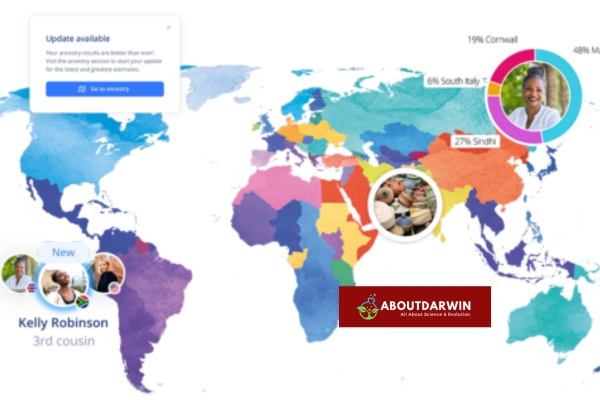
A DNA test opens doors to understanding where you come from, fundamentally shaping how you see yourself in the broader human story. Here is what draws most people to take that first step into genetic testing.
The ability to dig deep into your roots and find truths buried by time remains the primary draw of genetic genealogy. Imagine discovering you descend from a line of people who made quiet history in their communities, or confirming family legends that have circulated for generations. A DNA test reveals not merely names and dates, but lifetimes and experiences that led directly to you.
Beyond personal discovery, genetic testing allows you to confirm proposed genealogies. Paper records can lie, fade, or contain errors. DNA provides genealogical proof that complements traditional sources, helping you verify that your great-great-grandfather truly was the person you believe him to be.
Perhaps most profoundly, understanding your genetic inheritance fills many with a sense of belonging to something larger than themselves. When I see myself as part of this vast human puzzle, it provides context for why I am the way I am, from physical traits to cultural inclinations.
One aspect that feels almost magical is how these tests connect you with living relatives, people you had no idea existed. These could be cousins many times removed or closer kinships lost due to adoption, migration, or family estrangement. The DNA match lists generated by testing companies reveal genetic cousins who share segments of DNA with you, indicating common ancestors somewhere in your trees.
I have heard countless stories of siblings reuniting after decades apart, or adoptees finding biological families through shared matches. This connection extends beyond paper documentation, creating personal relationships that add new branches to your immediate family tree. Understanding how much DNA relatives share helps you identify exactly how closely related you might be.
Discovering one’s ethnic admixture delivers surprises for many testers. Our blood carries history, bits and pieces from across the globe. Going through ethnicity estimates feels like traveling across countries and continents without leaving home, revealing the geographic origins of your ancestors stretching back hundreds of years.
The excitement builds when imagining your ancestors’ lives, what languages they spoke, what foods they ate, what traditions they kept. Each percentage fits together telling you more about them and yourself. It is worth noting that ethnicity estimates are broad approximations based on reference populations, and these percentages can shift as databases grow and algorithms improve.
Learning that one part of your heritage came from somewhere entirely unexpected often makes everything feel culturally richer. The concept of ancestry painting, where companies color-code your chromosomes by ethnic origin, provides a visual representation of this genetic mosaic.
Also Read: Exploring Differences: Gram Positive vs Gram Negative Bacteria
Genealogy testing has revolutionized how we explore our roots, but understanding which test to choose requires grasping the fundamental differences between them. Direct-to-consumer (DTC) testing companies analyze different parts of your genome depending on which product you purchase.
Your DNA contains 23 pairs of chromosomes, carrying the genetic instructions that make you unique. Testing companies examine specific markers on these chromosomes to generate ethnicity estimates and match you with genetic cousins. Here is a comprehensive breakdown of the three main test types available for genealogical research.
Before diving into technical details, consider this comparison of the three primary DNA test types used in genetic genealogy:
| Test Type | What It Tests | Who Can Test | What It Reveals | Typical Cost | Best For |
|---|---|---|---|---|---|
| Autosomal DNA (atDNA) | Chromosomes 1-22 | Everyone | Ethnicity + matches from all lines | $59-$199 | General genealogy, ethnicity estimates |
| Mitochondrial DNA (mtDNA) | Mitochondrial DNA | Everyone | Maternal haplogroup + deep maternal ancestry | $159-$449 | Maternal line deep history, ancient origins |
| Y-Chromosomal DNA (Y-DNA) | Y chromosome | Biological males only | Paternal haplogroup + paternal line matches | $119-$449 | Surname research, paternal deep ancestry |
Autosomal DNA testing examines the 22 pairs of chromosomes not involved in determining biological sex. This represents the most common type of genetic genealogy testing because everyone inherits autosomal DNA from both parents, making it useful for tracing all family lines simultaneously.
Testing companies like AncestryDNA, 23andMe, and MyHeritage DNA primarily offer autosomal tests. Through recombination, you receive approximately 50% of your autosomal DNA from each parent, but this DNA gets shuffled with each generation, meaning you share less DNA with more distant ancestors. This test can reliably identify genetic cousins within about 5-7 generations, making it ideal for recent genealogy.
The microarray technology used by DTC testing companies examines hundreds of thousands of single-nucleotide variants (SNVs) across your autosomes, comparing them to reference populations to generate ethnicity estimates and identify shared segments with other testers.
Mitochondrial DNA testing focuses on the DNA contained in mitochondria, cellular structures inherited exclusively from your mother. Both males and females carry mtDNA and can test it, but only mothers pass it to the next generation.
Because mtDNA mutates slowly and does not undergo recombination, it provides a direct line to your most ancient maternal ancestors. This test reveals your maternal haplogroup, a designation showing which branch of the human family tree your direct maternal line belongs to, often tracing back thousands of years to specific geographic regions.
Family Tree DNA remains the primary company offering comprehensive mtDNA testing for genealogy, providing both haplogroup assignment and matching with others who share your maternal line.
Y-chromosomal DNA testing examines the Y chromosome passed from father to son along the direct paternal line. Only biological males can take this test, as females do not possess Y chromosomes.
Y-DNA testing serves surname research particularly well, as surnames traditionally follow the same paternal path in many cultures. It can confirm whether two men share a common paternal ancestor, making it invaluable for breaking through brick walls on the paternal line or verifying paternity lines within known timeframes.
Like mtDNA, Y-DNA reveals haplogroups showing deep paternal ancestry and prehistoric migration patterns. Family Tree DNA offers the most extensive Y-DNA testing panels for genealogical purposes, with tests examining different numbers of genetic markers depending on your research needs.
Several major companies dominate the direct-to-consumer genetic genealogy market, each with distinct strengths. Understanding their offerings helps you select the right testing partner for your goals.
AncestryDNA boasts the largest database of testers, currently exceeding 25 million people. Their strength lies in DNA matching and integration with their vast collection of historical records. Their ethnicity estimates include detailed sub-regional breakdowns.
23andMe offers both ancestry and health reports, though their 2025 bankruptcy has created uncertainty about their future in the genealogy space. Their ancestry-only test remains available, but prospective testers should consider data portability options.
MyHeritage DNA provides strong tools for European genealogy and offers excellent DNA match analysis features. Their ethnicity estimates cover 42 ethnic regions, and they provide chromosome browsers for detailed segment analysis.
Family Tree DNA specializes in Y-DNA and mtDNA testing unavailable elsewhere, while also offering autosomal testing. They remain the only major company providing comprehensive haplogroup analysis for deep ancestry research.
Also Read: DNA Test Migration Groups Insights: A Deep-Dive Guide
When you start thinking about your family history, you might ask yourself, “What DNA test should I take for my genealogy?” Picking the right test significantly impacts what you can discover. Your research goals, budget, and biological sex all factor into this decision.

Consider what part of your heritage grabs your interest most. Are you looking to trace back many generations across your entire family tree? Or are you more interested in learning specifically where your mother’s side or father’s side originated? Different tests answer different questions.
Your genealogical objectives should drive your testing strategy. Here is a practical framework for deciding which test or combination of tests serves your needs:
Genetic genealogy can become expensive, so understanding costs helps you plan your testing strategy. Prices fluctuate based on sales and promotions, but here are typical ranges:
Beyond the initial test, consider potential additional costs. Some advanced features require subscriptions. Uploading to third-party sites like GEDmatch is free but offers premium tiers. DNA Painter, an advanced chromosome mapping tool, requires subscription for full functionality.
Many genealogists recommend testing with AncestryDNA first due to their large database, then uploading results to MyHeritage DNA and Family Tree DNA for additional matches. This maximizes your reach while minimizing costs.
Once you have taken a DNA test for your genealogy, the journey has just begun. It is like having pieces of a beautiful puzzle that you need to put together carefully. Your results can reveal so much about where you come from, but knowing how to read these results makes all the difference.
After receiving your DNA results, you might find yourself looking at numbers, percentages, and maps with highlighted regions. Making sense of this data requires understanding what each component means.
First, focus on the ethnicity estimates. These percentages give clues about where your ancestors lived. Remember these are estimates, educated guesses based on comparing your DNA to reference populations. They can and do change as companies refine their algorithms and databases expand.
Next, examine your DNA matches, people who share parts of their DNA with you. Genetic genealogy websites estimate relationships based on shared centimorgans. Reach out to these genetic cousins; they could be cousins many times removed or even closer relatives. Collaboration often leads to breakthroughs.
The third component involves haplogroups, branches in the human family tree going back thousands of years. If your results mention mtDNA or Y-DNA haplogroups, those letter-number combinations designate which deep ancestral branch your maternal or paternal lines belong to, often connecting to specific prehistoric migrations.
Be patient with yourself. Learning to interpret genetic genealogy results takes time, but the discoveries make the effort worthwhile.
Now comes the rewarding part, putting it all together. Think about building a family tree like planting an actual tree. It starts small but grows over time as long as you nourish it with attention and accurate information.
Start with what and who you know before branching out further. Write down parents, grandparents, and great-grandparents, including dates like birthdays and years of important events. This foundation helps you identify where DNA matches fit into your tree.
Use those DNA matches from your results. See where they might fit into your growing picture by comparing family trees. Many companies offer tools showing shared matches, helping you triangulate which branch of your tree a match belongs to.
Supplement DNA evidence with traditional genealogical records. Birth certificates, marriage documents, census records, and immigration papers all help when piecing everything together. Check twice before adding information permanently; mistakes can throw off future research branches.
Each name added represents another root grounded in history. With knowledge comes confidence, making adding those branches less daunting until one day you have a full family tree standing tall amidst your historical garden.
Also Read: How can DNA Results help you in Optimizing Your Journey?
Before rushing to order a test kit, pause to consider the potential downsides and risks. Genetic genealogy, while powerful, carries implications that every tester should understand before proceeding. The decision to test requires informed consent based on a balanced view of both benefits and potential concerns.
Your genetic data represents uniquely identifying information that cannot be changed like a password. Once submitted to a testing company, you rely on their privacy policies and security measures to protect this sensitive information. While reputable companies follow strict protocols, breaches can occur, and policies can change, especially during corporate transitions like the 23andMe bankruptcy.
Read each company’s privacy policy thoroughly before testing. Understand what they do with your data, whether they share it with third parties, and what options you have for deletion. Some companies allow you to opt out of research participation or data sharing, while others have more restrictive policies.
Consider the permanence of your genetic information. Even if you delete your account, companies may retain your data for legal or research purposes. Additionally, when you test, you implicate your relatives who share DNA with you, potentially revealing information about them without their consent.
One of the most significant concerns involves law enforcement access to genetic databases. Since the Golden State Killer case was solved using genetic genealogy in 2018, police regularly use DNA databases to identify suspects through familial matching. When you upload your DNA, you potentially enable law enforcement to identify you or your relatives as suspects in criminal investigations.
Some companies explicitly allow law enforcement matching for violent crimes, while others maintain stricter privacy protections. GEDmatch and Family Tree DNA permit law enforcement searches under specific circumstances, while 23andMe and AncestryDNA generally do not without legal process.
Consider your comfort level with these uses. While many support solving violent crimes, others worry about surveillance implications and the potential for misuse. Understanding each company’s law enforcement policies helps you make an aligned choice.
DNA testing sometimes reveals truths that families have kept hidden. Misattributed parentage, previously unknown adoptions, or siblings from undisclosed relationships emerge regularly. You should approach testing with the full expectation that you might discover one of your parents is not your biological parent, or that close relatives have secrets they never intended to share.
These discoveries can strain family relationships and create emotional turmoil. Some testers experience identity crises upon learning their heritage differs from what they believed. Others face difficult decisions about whether to share discoveries with family members who might not want to know.
Before testing, consider your emotional readiness for unexpected results. Consider discussing the decision with family members who might be affected. Some genealogists recommend that adoptees or those with suspected parentage issues prepare support systems before viewing results.
In the United States, the Genetic Information Nondiscrimination Act (GINA) provides some protections against discrimination based on genetic information in health insurance and employment. However, these protections do not extend to life insurance, disability insurance, or long-term care insurance in most states.
Testing companies offering health reports, like 23andMe, may reveal predispositions to certain conditions. While this information can empower health decisions, it could theoretically affect insurance eligibility. Consider whether you want health-related genetic information in your medical records or insurance databases.
Outside the United States, genetic discrimination protections vary significantly. Some countries offer stronger protections, while others have minimal regulations. International testers should research their local laws before proceeding.
DNA tests are generally accurate for identifying genetic relationships and broad ethnic backgrounds, though the degree of detail varies between services. Autosomal DNA matching is highly accurate for identifying close relatives, with parent-child and sibling relationships virtually certain. Ethnicity estimates are less precise, representing statistical probabilities based on reference populations. These estimates can and do change as databases improve. For best results, use DNA tests alongside traditional genealogy records rather than relying solely on genetic results.
The primary downsides include privacy concerns, as your genetic data cannot be changed if compromised. Law enforcement may access databases to identify suspects through familial matching. You might discover unexpected results like misattributed parentage or family secrets that create emotional turmoil. Testing companies can change ownership or policies, potentially affecting your data. Additionally, genetic discrimination remains possible for life and disability insurance despite health insurance protections under GINA. Consider these factors carefully before testing.
Autosomal DNA tests typically cost between $59 and $199, with frequent sales bringing prices down to $59-$79 during holidays. Y-chromosomal DNA tests range from $119 to $449 depending on marker panel depth. Mitochondrial DNA tests cost $159 to $449. Bundled testing packages offer savings. Beyond initial testing, some advanced features require subscriptions. Uploading results to third-party sites like GEDmatch is free, though premium features may cost extra. Budget-conscious testers should start with AncestryDNA or MyHeritage DNA autosomal tests during sales periods.
For pure genealogy research, AncestryDNA generally proves superior due to their larger database of over 25 million testers, increasing your chances of finding genetic cousins. Their integration with historical records provides richer family history context. However, 23andMe offers health reports alongside ancestry information, which appeals to some users. Since 23andMe’s 2025 bankruptcy, AncestryDNA has gained additional stability advantage. Many serious genealogists test with both to maximize database coverage, or test with AncestryDNA and upload results to MyHeritage DNA and Family Tree DNA for additional matches.
Most reputable companies follow strict privacy protocols, but absolute safety cannot be guaranteed. Your genetic data represents permanent, unchangeable identifying information. Read privacy policies thoroughly to understand data usage, sharing practices, and deletion options. Consider law enforcement matching policies, as some companies permit police searches of databases. Be aware that data breaches, though rare, have occurred in the industry. The 23andMe bankruptcy highlighted risks of corporate instability affecting your genetic information. Test only with established companies having transparent policies, and regularly review your privacy settings after testing.
Generally, 1% ethnicity corresponds to approximately 6-8 generations back, roughly 150-200 years. This estimate varies because DNA inheritance follows random patterns through recombination. You do not inherit exactly 25% from each grandparent due to the shuffling of chromosomes. Some ancestors contribute more DNA while others contribute less or none at all beyond 5-7 generations. Small percentages like 1% might represent actual ancestry from that region, or they might be statistical noise or remnants of ancient shared DNA. Companies update these estimates periodically, so percentages can shift as reference populations improve.
DNA tests can produce misleading results in several ways. Ethnicity estimates are statistical approximations, not definitive facts, and they change as databases grow. Small percentages often represent noise rather than genuine ancestry. The concept of ethnicity itself is culturally constructed and does not map perfectly to genetic patterns. DNA matches are highly accurate for close relatives but become less certain for distant connections. Tests cannot distinguish between identical twins or distinguish a parent from an aunt or uncle in some cases. Always interpret results alongside traditional genealogical records for the most accurate family history understanding.
So, should you take a DNA test for your genealogy in 2026? The answer depends on your goals, your comfort with privacy implications, and your readiness for whatever discoveries await. I have shared insights on different test types, from autosomal DNA to Y-DNA and mtDNA, each offering unique windows into your family’s past.
We have explored how these tests help you connect with genetic cousins, understand your ethnic admixture, and confirm paper trails through genealogical proof. We have also examined the risks, from privacy concerns and law enforcement matching to the possibility of unexpected family secrets emerging from your results.
When asking “Should I Take DNA Test for My Genealogy,” consider what part of your heritage sparks your curiosity most. Consider which testing company aligns with your values. Remember that genetic genealogy works best alongside traditional research methods, not as a replacement for them.
Now armed with knowledge about AncestryDNA, 23andMe, MyHeritage DNA, and Family Tree DNA, you can make an informed decision. The genetic genealogy landscape continues evolving, especially after the industry shakeups of 2025. Embrace this journey of discovery, but do so with clear eyes and informed consent. Your DNA holds stories waiting to be told, whether you choose to unlock them remains your decision alone.


