Physical Address
304 North Cardinal St.
Dorchester Center, MA 02124
Physical Address
304 North Cardinal St.
Dorchester Center, MA 02124

Sibling DNA refers to the genetic material shared between brothers and sisters who descend from at least one common parent. Full siblings typically share approximately 50% of their DNA, while half-siblings share roughly 25%. This shared genetic code carries the instructions that shape physical traits, predispositions to certain conditions, and ancestry origins. Understanding what is sibling DNA opens a window into how families are biologically connected and what science can reveal about these relationships.
Genetic testing has transformed from a niche scientific procedure into an accessible tool that anyone can use to answer fundamental questions about family relationships. Whether you are seeking to confirm a suspected full sibling connection, verify whether you share only one parent with someone, or simply satisfy curiosity about your genetic heritage, sibling DNA testing provides concrete answers backed by scientific evidence.
In this comprehensive guide, we will explore how sibling DNA tests work, what results actually mean, how much they cost, and what limitations you should understand before ordering a test. We will also examine the differences between legal and at-home testing options, compare sibling tests to other relationship DNA tests, and address common misconceptions about genetic inheritance between brothers and sisters.
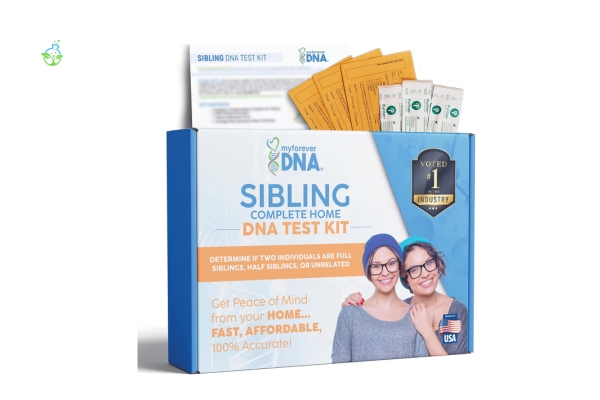
Sibling DNA testing determines whether two or more individuals share a biological relationship as full siblings, half-siblings, or unrelated persons. Unlike paternity or maternity tests that confirm a direct parent-child relationship, sibling tests analyze the genetic markers shared between potential brothers and sisters to calculate the probability that they come from the same parents.
A sibling DNA test answers crucial questions such as: Do we share the same father? Are we full siblings or half-siblings? Could we be unrelated despite family stories suggesting otherwise? These tests have become essential tools for adoptees searching for biological family, individuals verifying inheritance claims, and families seeking to confirm biological connections for immigration or personal knowledge purposes.
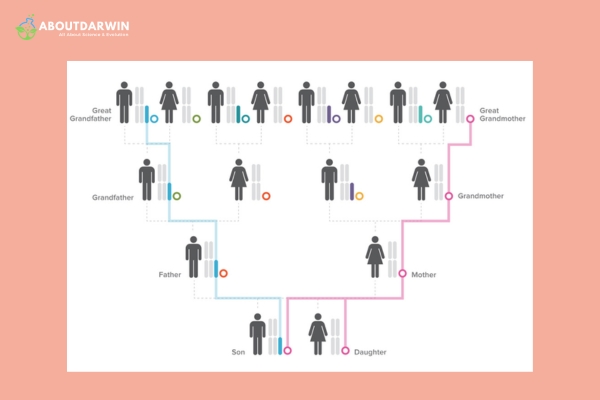
DNA serves as the master instruction manual that determines who we are at the biological level. Every cell in your body contains this genetic code, packaged into structures called chromosomes. When we discuss sibling DNA, we are examining how these instruction manuals compare between brothers and sisters who may have received their genetic material from the same parental sources.
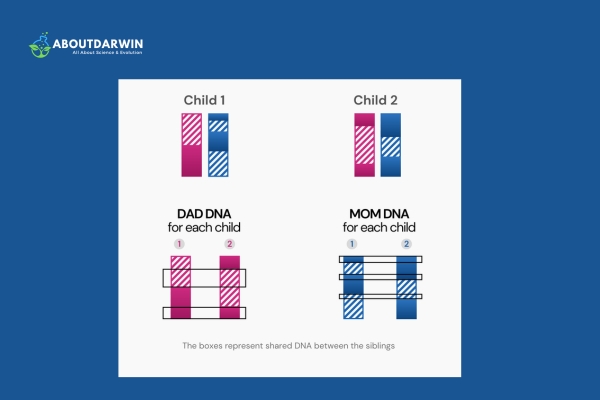
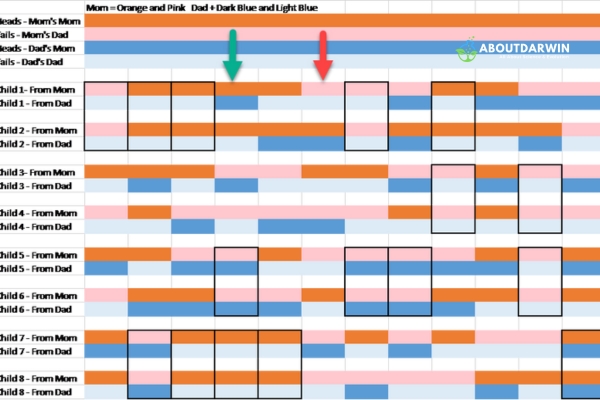
Full siblings share both biological parents, which means they inherited approximately 50% of their DNA from each shared parent. This creates an expected range of 47% to 53% total shared DNA between full siblings. The variation occurs because of a process called recombination, where chromosomes shuffle genetic material before being passed to offspring. Learn more about how much DNA siblings share across different relationship types.
Half-siblings share exactly one biological parent, either the same mother or the same father. Because they receive DNA from only one shared parent, they typically share approximately 25% of their total DNA. Step-siblings, who share no biological parents, generally show no significant genetic similarity beyond what would be expected between random individuals from the same population.
The reason siblings can look similar yet distinct stems from how genes function and interact. Genes exist in different versions called alleles. Some alleles are dominant, meaning their traits appear even if only one copy is present. Others are recessive, requiring two copies to produce their associated trait.
Consider eye color as an example. The allele for brown eyes is dominant over the allele for blue eyes. If one parent contributes a brown eye allele and the other contributes a blue eye allele, the child will have brown eyes. Two siblings might receive different combinations: one gets brown from both parents (brown eyes), while the other gets brown from one and blue from the other (also brown eyes). A third possibility exists where both siblings receive the blue allele from each parent, resulting in blue eyes. This genetic lottery explains why siblings with identical parents can display remarkably different physical characteristics.
During meiosis, the process that creates sperm and egg cells, chromosomes exchange segments through recombination. This shuffling ensures that each gamete carries a unique combination of genetic material. Even identical twins, who start with the same DNA, will accumulate differences over time due to mutations and environmental factors. For regular siblings, the recombination process guarantees that each child receives a distinct genetic hand from their parents.
Also Read: 23andMe vs FamilyTreeDNA: Comprehensive Comparison
Sibling DNA tests analyze specific regions of genetic material to calculate the statistical likelihood that two individuals share one or both parents. The testing process examines autosomal DNA, which comprises the 22 pairs of chromosomes that everyone inherits from both parents. Unlike Y-chromosome testing, which only traces the paternal line, or mitochondrial DNA testing, which only traces the maternal line, autosomal testing provides a comprehensive view of genetic relationships across both sides of the family.
Modern sibling DNA tests use two primary analysis methods: STR analysis and SNP genotyping. STR (Short Tandem Repeat) testing examines specific locations on chromosomes where short DNA sequences repeat. Labs typically analyze 16 to 24 STR markers to establish relationship probabilities. SNP (Single Nucleotide Polymorphism) testing examines hundreds of thousands of individual DNA building blocks, providing more detailed comparisons particularly useful for complex relationship calculations.
The sibling DNA testing process begins with sample collection, typically performed using a cheek swab. This non-invasive method involves rubbing a sterile cotton swab against the inside of the cheek to collect epithelial cells containing DNA. Some laboratories also accept blood samples, though this is less common for standard peace-of-mind testing. The sample collection takes only a few minutes and can be performed by the individuals themselves for at-home tests, or by a trained collector for legal tests.
Once collected, samples are sealed in tamper-evident packaging and sent to an accredited laboratory for analysis. The turnaround time for sibling DNA testing typically ranges from 3 to 5 business days for standard tests, with expedited options available from some laboratories that can deliver results in 24 to 48 hours for an additional fee. Immigration DNA tests or legal tests may require additional processing steps, extending the timeline to 7 to 10 business days.
In the laboratory, technicians extract DNA from the collected samples and analyze specific genetic markers. For STR testing, the lab examines 16 to 24 marker locations, comparing the alleles present at each location between the two potential siblings. Each marker location can show matching alleles, partially matching alleles, or non-matching alleles. The pattern of matches across all tested markers determines the probability of a sibling relationship.
The key difference between at-home and legal collection lies in the chain of custody. At-home tests allow individuals to collect their own samples without witnessing or identity verification. Legal tests require a neutral third party to collect samples, verify identities through government-issued photo identification, and maintain documentation of sample handling at every step. This chain of custody ensures that results can be used as evidence in court proceedings, immigration applications, or other official purposes.
Sibling DNA testing accuracy depends on several technical and procedural factors. When performed by accredited laboratories following proper protocols, these tests achieve high accuracy rates. Full sibling tests report accuracy levels of 99.9% or higher when the probability index strongly supports a sibling relationship. Half-sibling tests typically achieve accuracy rates between 95% and 99%, though this can vary based on the amount of shared DNA and the number of markers analyzed.
The laboratory’s accreditation status significantly impacts reliability. Look for laboratories certified by organizations such as AABB (American Association of Blood Banks) or ISO 17025. These accreditations ensure the lab follows standardized procedures, maintains equipment properly, and participates in regular proficiency testing. Accredited laboratories must analyze sufficient genetic markers, typically 16 to 24 STR loci, to generate statistically significant results.
Several factors can affect test reliability. Sample quality matters significantly, contaminated or degraded samples may produce inconclusive results. The genetic relationship itself creates variability, siblings who share less DNA than typical due to random inheritance patterns might receive borderline results. Endogamous populations, where relatives frequently marry within the community, can also complicate relationship calculations because shared DNA might reflect distant cousin relationships rather than sibling connections.
The probability index reported in results indicates confidence levels. A probability index above 1000 strongly supports the proposed relationship, meaning the individuals are 1000 times more likely to be siblings than unrelated. Index values between 10 and 1000 suggest probable but not definitive relationships. Values below 10 typically indicate inconclusive results, while very low values suggest the individuals are likely unrelated.
Also Read: Can DNA Tests Put Your Personal Information at Risk?
Interpreting sibling DNA test results requires understanding both the numerical data and the statistical framework used to calculate relationship probabilities. Reports typically present several key pieces of information: the number of markers tested, the number of matching alleles at each marker, the shared DNA percentage or centimorgan count, and the final probability index or likelihood ratio indicating whether the tested individuals are likely siblings.
The most important number in your results is the probability index, sometimes called the likelihood ratio or relationship index. This figure represents how many times more likely the tested individuals are to be siblings compared to being unrelated. Higher numbers indicate stronger evidence for a sibling relationship. Understanding these numbers helps you interpret whether the test confirms your suspected relationship, contradicts it, or remains inconclusive.
Sibling DNA test results present shared DNA amounts in two primary measurements: percentages and centimorgans. The percentage shows what portion of your total DNA matches your potential sibling. Centimorgans measure the length of matching DNA segments, providing a more precise quantification of genetic relationship. For detailed centimorgan ranges across different relationships, see our guide on centimorgans shared by half siblings.
Full siblings typically share between 2,300 and 3,600 centimorgans of DNA, representing approximately 47% to 53% of their total genetic material. This range exists because of the random nature of genetic inheritance. Half-siblings generally share between 1,200 and 2,300 centimorgans, or roughly 25% of their DNA. Unrelated individuals typically share fewer than 400 centimorgans, though some distant cousin relationships can fall in the 400 to 700 centimorgan range.
The probability index appears as a single number or ratio. Results showing a probability index of 1000 or higher provide 99.9% confidence that the individuals are siblings. Index values between 100 and 999 indicate probable sibling relationships with 95% to 99% confidence. Borderline results between 10 and 99 suggest possible relationships but require additional testing or parental samples for conclusive determination. Values below 10 generally exclude the proposed relationship.
| Relationship Type | Shared DNA % | Centimorgan Range | Probability Index |
|---|---|---|---|
| Full Siblings | 47-53% | 2,300-3,600 cM | >1000 (99.9%+) |
| Half-Siblings | 22-28% | 1,200-2,300 cM | 100-999 (95-99%) |
| Unrelated | <1-3% | <400 cM | <10 |
Test outcomes fall into three primary categories: full siblings, half-siblings, or unrelated. Full sibling results indicate that both tested individuals share the same biological mother and father. The genetic evidence supports this conclusion when shared DNA percentages fall within the expected 47% to 53% range and the probability index exceeds 1000.
Half-sibling results confirm that the tested individuals share exactly one biological parent. This might mean sharing only the same mother, only the same father, or in rare cases involving assisted reproduction, other combinations. The shared DNA typically falls between 22% and 28%, though borderline cases can overlap with both full sibling ranges and first cousin ranges.
Inconclusive results occur when shared DNA amounts fall between expected ranges or when probability indices remain below the threshold for confident determination. This commonly happens when testing potential half-siblings who randomly inherited more or less DNA from their shared parent than average. Adding a known parent to the testing can usually resolve inconclusive results by clarifying which genetic material came from each side of the family.
Sibling DNA testing costs range from $149 to $349 depending on the testing purpose, laboratory accreditation, and turnaround time requirements. Peace-of-mind at-home tests typically cost between $149 and $249, providing results for personal knowledge without legal standing. Legal sibling DNA tests required for court proceedings, immigration, or inheritance disputes generally cost between $249 and $349 due to the additional chain of custody procedures and documentation requirements.
Several factors influence the final price of sibling DNA testing. Laboratory accreditation affects cost, with AABB-accredited laboratories typically charging more than non-accredited facilities due to their rigorous quality standards and regular proficiency testing. The number of individuals tested also impacts pricing, while standard tests include two potential siblings, adding additional siblings or known parents increases the total cost but often provides more conclusive results.
Turnaround time options create price variations as well. Standard processing, which typically takes 3 to 5 business days, represents the base price quoted by most laboratories. Expedited processing delivering results in 24 to 48 hours can add $50 to $100 to the total cost. Some laboratories also offer same-day results for an additional premium, though this service requires early morning sample submission and is only available at certain collection locations.
When comparing prices between laboratories, verify what services the quoted price includes. Some companies advertise low base rates but charge separately for collection kits, shipping, result reports, or consultation calls. Reputable laboratories provide all-inclusive pricing that covers the testing kit, laboratory analysis, shipping both ways, and a detailed results report. Ask specifically whether the quoted price includes chain of custody documentation if you require legally admissible results.
Choosing between legal and at-home sibling DNA testing depends entirely on how you intend to use the results. At-home tests, sometimes called peace-of-mind tests, allow individuals to collect their own samples in private and receive results without formal documentation. These tests provide accurate genetic analysis but lack the chain of custody required for legal proceedings. Legal tests follow strict collection and documentation procedures that make results admissible in court, acceptable for immigration applications, and valid for inheritance claims.
The chain of custody requirement represents the primary difference between legal and at-home testing. Legal tests require a neutral third party, typically a medical professional or certified collector, to oversee sample collection. This collector verifies each participant’s identity using government-issued photo identification, witnesses the sample collection, seals samples in tamper-evident containers, and documents every person who handles the samples until they reach the laboratory. This documented trail ensures that samples cannot be substituted or contaminated, giving courts confidence in the results.
At-home testing kits ship directly to consumers who perform their own cheek swab collection. No identity verification occurs during collection, and no documentation proves who actually provided the samples. While the genetic analysis remains scientifically valid, the lack of verification means results could theoretically involve substituted samples. For personal knowledge and family research, this poses no problem. For any official purpose, this lack of documentation makes at-home results inadmissible.
Court-admissible sibling DNA tests serve multiple legal purposes. Immigration cases frequently require sibling testing to prove biological relationships when birth certificates are unavailable or insufficient. Inheritance disputes may need sibling verification to establish rightful heirs when paternity questions exist. Family court proceedings sometimes involve sibling testing to confirm relationships in adoption, custody, or support cases. Social Security benefit claims occasionally require sibling DNA evidence to establish entitlement as a surviving relative.
Privacy considerations differ between testing types as well. At-home testing results remain entirely private, accessible only to the person who ordered the test. Legal testing results become part of official records and may be shared with courts, government agencies, or other parties involved in the legal matter. If you are considering DNA test privacy risks, understand that legal testing involves more entities seeing your genetic information than at-home alternatives.
Sibling DNA testing represents just one of several relationship DNA tests available. Understanding how sibling tests differ from paternity tests, avuncular tests, and grandparentage tests helps you choose the right test for your specific situation. Each test type answers different questions about family relationships and varies in accuracy, cost, and complexity.
Paternity and maternity tests provide the most definitive relationship DNA testing because they compare a child directly to a known parent. These tests can achieve 99.99% accuracy or higher because every child inherits exactly 50% of their DNA from each parent. Sibling tests offer less certainty because they compare two children who each received random assortments of parental DNA. When possible, testing a known parent alongside potential siblings dramatically improves accuracy.
Avuncular tests determine whether an individual is the biological aunt or uncle of a child. These tests compare a potential sibling of the alleged parent to the child in question. While useful when the alleged parent is unavailable, avuncular tests achieve lower accuracy than direct parentage tests because aunts and uncles share only 25% of their DNA with their nieces and nephews on average. Use our cousin relationship chart to understand how DNA sharing decreases with each degree of relationship separation.
Grandparentage tests verify whether a couple are the biological grandparents of a child. These tests analyze whether the child inherited DNA that could have come from the alleged grandparents through their child (the alleged parent). Grandparentage tests require both grandparents when possible, as testing just one grandparent provides less statistical power. Like avuncular tests, grandparentage testing offers lower accuracy than direct parentage testing.
Y-chromosome testing traces the paternal line by analyzing the Y chromosome, which passes unchanged from father to son. Male siblings who share the same father will have identical Y chromosomes, making this a powerful tool for confirming paternal relationships between brothers. However, Y-chromosome testing cannot distinguish between brothers, fathers, sons, paternal uncles, or paternal grandfathers because all males in this line share the same Y chromosome.
Mitochondrial DNA testing traces the maternal line by analyzing DNA passed from mothers to all their children. Both brothers and sisters inherit identical mitochondrial DNA from their mother, making this test useful for confirming maternal relationships. Like Y-chromosome testing, mitochondrial testing cannot distinguish between close maternal relatives such as mothers, siblings, maternal aunts, or maternal grandmothers. For DNA sharing between cousins and more distant relatives, autosomal testing provides more specific relationship information.
While sibling DNA testing provides powerful relationship insights, understanding its limitations helps set realistic expectations. No DNA test is infallible, and certain biological situations can produce unexpected or inconclusive results. Recognizing these edge cases before testing prevents confusion and disappointment when results do not match family expectations.
Recombination surprises represent one of the most common sources of confusing sibling test results. During the formation of egg and sperm cells, chromosomes exchange segments in unpredictable patterns. Occasionally, siblings inherit significantly more or less DNA from one parent than statistics predict. Full siblings might share only 40% of their DNA instead of the expected 50%, falling into the normal range for half-siblings. Half-siblings might randomly inherit an unusually large amount of shared DNA, falling into the lower range expected for full siblings.
Endogamy, the practice of marrying within a specific group, complicates DNA relationship calculations. Populations with high endogamy, including some religious communities, isolated geographic regions, or cultural groups with cousin marriage traditions, show elevated levels of shared DNA among all members. Two unrelated individuals from highly endogamous populations might share DNA amounts typical of distant cousins or even half-siblings, potentially confusing test interpretation.
Identical twins present a special case in sibling DNA testing. Because identical twins share 100% of their DNA, testing whether someone is a full or half-sibling to an identical twin produces identical results for both twins. However, children of identical twins are genetic half-siblings even though they are legally first cousins. DNA testing can reveal these biological relationships that differ from legal definitions.
False positives and false negatives, while rare with accredited laboratories, remain possible. Sample mix-ups, though extremely uncommon with proper procedures, could theoretically occur. Laboratory errors, contaminated samples, or degraded DNA might produce incorrect results. This is why accredited laboratories maintain strict quality control and repeat testing when results appear unexpected. If your results contradict known family history, request a retest to rule out laboratory error.
Inconclusive results occur most frequently with half-sibling testing. The statistical overlap between half-siblings and other relationships, such as first cousins or grandparent-grandchild pairs, sometimes prevents definitive conclusions. Adding a known parent to the testing almost always resolves inconclusive results by clarifying which genetic material came from each side of the family. When parental testing is impossible, testing additional known siblings or other relatives can provide more data points for analysis.
Sibling DNA testing serves multiple personal and legal purposes. Understanding common use cases helps determine whether testing is appropriate for your situation and what type of test you need. From personal curiosity to official documentation requirements, sibling DNA tests provide answers across a spectrum of scenarios.
Adoption reunions represent one of the most emotional applications of sibling DNA testing. Adoptees searching for biological family may locate potential siblings through DNA databases or adoption registries. Testing confirms whether these matches represent true biological siblings before investing emotionally in new relationships. Similarly, donor-conceived individuals often use sibling testing to find and verify genetic half-siblings who share the same sperm or egg donor.
Immigration cases frequently require sibling DNA testing when birth documentation is unavailable or insufficient. United States Citizenship and Immigration Services and similar agencies worldwide accept DNA evidence to prove biological relationships for visa petitions and citizenship applications. These situations always require legal testing with proper chain of custody to ensure results meet evidentiary standards.
Inheritance disputes sometimes hinge on establishing biological sibling relationships. When a deceased person leaves assets without clear documentation of heirs, potential siblings may need DNA testing to establish their claims. Estate settlements, life insurance claims, and trust distributions occasionally require sibling verification through court-admissible DNA testing.
Peace of mind testing addresses personal questions without legal implications. Family stories, uncertain paternity, or suspected adoption may create doubts about sibling relationships. At-home testing provides answers to these questions privately and affordably. While results carry no legal weight, they satisfy personal curiosity and can guide further family research.
Medical history reconstruction sometimes motivates sibling testing. Learning about genetic health risks requires knowing which family members share your DNA. Full siblings share more genetic predispositions than half-siblings. Understanding your precise biological relationship helps assess which health conditions you might share with relatives and which require information from the other side of the family.
Popular culture and casual conversation perpetuate several myths about sibling DNA and genetic inheritance. These misconceptions can lead to unrealistic expectations about DNA testing or confusion when results do not match assumptions. Clarifying these myths with scientific facts helps you approach sibling testing with accurate understanding.
Myth: Siblings always look alike. Reality shows that brothers and sisters can display strikingly different appearances despite sharing parents. The genetic lottery of inheritance means siblings might receive opposite versions of many genes. One sibling might inherit the tall genes while another gets the short ones. Eye color, hair texture, skin tone, and facial features can all vary dramatically between siblings based on which alleles each person receives.
Myth: Siblings have identical DNA. Except for identical twins, no siblings share identical genetic material. Each child receives a unique combination of DNA from both parents. Even full siblings sharing both parents differ genetically at many loci. This genetic diversity explains why siblings can have different blood types, different genetic disease risks, and different ancestry percentages from DNA ethnicity tests.
Myth: If you share 25% DNA, you must be half-siblings. While half-siblings average 25% shared DNA, other relationships also fall in this range. First cousins typically share about 12.5%, but can range higher. Grandparents and grandchildren share approximately 25%. Even full siblings occasionally fall near 25% due to random recombination. DNA testing examines the pattern of shared segments, not just the total percentage, to distinguish between these relationships.
Myth: DNA tests can determine whether you share a mother or father specifically. Standard autosomal sibling DNA tests cannot distinguish between sharing a mother versus sharing a father. They only indicate that you share one parent. Determining specifically whether the shared parent is maternal or paternal requires additional testing. Y-chromosome testing can confirm shared paternal lineage for males, while mitochondrial testing confirms shared maternal lineage for both sexes. X-chromosome analysis can sometimes suggest maternal relationships because mothers pass X chromosomes to all children while fathers only pass them to daughters.
Myth: Sibling DNA tests are as accurate as paternity tests. Paternity tests comparing a child to a known parent achieve higher accuracy than sibling tests because they compare directly across one generation. Sibling tests compare two individuals who each received random assortments of parental DNA, introducing more statistical uncertainty. While sibling tests are highly accurate, they generally cannot match the near-certainty of direct parentage testing.
Also Read: Can DNA Tests Put Your Personal Information at Risk?
Sibling DNA tests achieve 99.9% accuracy or higher when performed by accredited laboratories using 16 to 24 genetic markers. Full sibling tests typically provide stronger confidence levels than half-sibling tests. The probability index indicates accuracy, with values above 1000 representing 99.9% confidence. Factors affecting accuracy include sample quality, laboratory accreditation status, and whether known parents participate in testing.
Sibling DNA testing costs range from $149 to $349. At-home peace-of-mind tests cost $149 to $249, while legal tests with chain of custody documentation cost $249 to $349. Prices vary based on laboratory accreditation, turnaround time, and the number of individuals tested. Some laboratories charge additional fees for expedited processing or result consultations.
Standard autosomal sibling DNA tests can determine whether individuals share one or both parents, but cannot specifically identify whether the shared parent is the father or mother. Y-chromosome testing can confirm shared paternal lineage for males, as brothers who share the same father inherit identical Y chromosomes. To specifically confirm shared paternity without the father available, include the mother in testing to identify which DNA came from the maternal side.
Standard sibling DNA test results typically arrive within 3 to 5 business days after the laboratory receives all samples. Expedited processing can deliver results in 24 to 48 hours for an additional fee of $50 to $100. Legal tests requiring chain of custody documentation may take 7 to 10 business days due to additional verification steps. Sample collection shipping time is not included in these estimates.
While rare with accredited laboratories, sibling DNA tests can produce incorrect results due to sample contamination, laboratory errors, or sample mix-ups. Recombination can also create confusing results where full siblings share less DNA than typical or half-siblings share more. Inconclusive results occur in approximately 5% of half-sibling tests. If results contradict known family history, request a retest to verify accuracy.
The amount of shared DNA decreases by approximately half with each generation. Siblings share 50%, first cousins share about 12.5%, second cousins share about 3%, and third cousins share less than 1%. By fifth cousins, shared DNA becomes extremely small and may not be detectable. However, genealogists can sometimes trace relationships much further back using multiple DNA segments and family tree analysis. Learn more about u003ca href=u0022https://www.aboutdarwin.com/how-to-count-generations-in-your-family-tree/u0022u003ecounting generations in family treesu003c/au003e.
Understanding what is sibling DNA provides valuable insights into your biological connections and family history. Sibling DNA testing offers a scientifically rigorous method to confirm whether individuals share one or both parents, with accuracy rates exceeding 99% when performed by accredited laboratories. Whether you seek answers for personal knowledge, legal requirements, or medical history reconstruction, these tests deliver concrete evidence about biological relationships.
When considering sibling DNA testing, remember the key distinctions between at-home and legal testing options. Choose at-home tests for personal curiosity and family research, but select legal tests with proper chain of custody for any official purpose. Costs range from $149 to $349 depending on your needs, with results typically available within 3 to 5 business days. Understanding the limitations, including the possibility of inconclusive results with half-sibling testing, helps set realistic expectations.
Exploring your sibling DNA opens fascinating windows into inheritance patterns, genetic traits, and family connections. While the science behind these tests is complex, the fundamental concept remains simple: your DNA carries a record of your biological relationships. By interpreting this genetic code with proper testing, you can answer questions that were previously impossible to resolve, strengthening family bonds or satisfying lifelong curiosity about where you come from. For additional family research resources, explore our guide to free genealogy research resources.


