Physical Address
304 North Cardinal St.
Dorchester Center, MA 02124
Physical Address
304 North Cardinal St.
Dorchester Center, MA 02124

The ability to read genetic blueprints no longer stops when life ends. As at-home DNA kits and forensic genealogy databases reshape how we explore ancestry and solve crimes, families increasingly face a profound question: what are the ethics of DNA testing the deceased? While science offers powerful tools to unlock family secrets, identify hereditary risks, and bring closure to cold cases, it also raises uncomfortable questions about consent, dignity, and the rights of the dead.
This intersection of technology and mortality demands careful navigation. Should you collect a sample from a dying parent to preserve their genetic legacy? Can law enforcement mine genealogical databases to identify suspects through distant relatives? And what happens when postmortem genetic testing reveals family secrets that living relatives never anticipated? Understanding the ethical landscape surrounding these decisions helps families and researchers approach postmortem genetic testing with the respect and thoughtfulness it requires.

Postmortem genetic testing encompasses any analysis of DNA extracted from individuals after death. Unlike standard clinical testing for living patients, PMGT operates within a unique ethical framework where the primary subject cannot participate in decision-making, provide consent, or voice preferences about how their genetic information should be used.
Postmortem genetic testing (PMGT) involves extracting and analyzing DNA from deceased individuals to understand genetic causes of death, assess hereditary risks for living relatives, establish biological relationships, or contribute to forensic investigations. Various biological samples serve as sources for genetic material, each presenting different preservation requirements and ethical considerations.
The applications for PMGT extend across multiple domains. Medical examiners may use genetic analysis to determine inherited causes of sudden death, helping families understand cardiovascular risks or hereditary cancer syndromes. Genealogists leverage deceased relative DNA to break through brick walls in family trees, particularly when paper records fail. Forensic investigators increasingly rely on genetic genealogy to identify unknown remains or generate leads in cold cases. Each application carries distinct ethical implications that must be weighed against potential benefits.
The type of biological sample significantly affects both the technical success of DNA extraction and the ethical considerations surrounding collection. Understanding these differences helps families and professionals make informed choices about postmortem genetic testing approaches:
The choice of sample type depends on the time elapsed since death, the purpose of testing, and practical considerations about access to remains. Exhumation DNA testing raises additional ethical and legal complexities that require careful evaluation before proceeding.
Also Read: Shared DNA Matches: A Guide to Discovering Family Connections
Ethical considerations play a fundamental role in DNA testing the deceased, where balancing respect for the individual and potential benefits requires careful assessment. The field of bioethics provides a framework for navigating these complex decisions through established principles: autonomy, beneficence, non-maleficence, and justice.
The principle of autonomy centers on respecting an individual’s right to self-determination. In living patients, this manifests through informed consent processes where individuals understand and voluntarily agree to testing. For deceased individuals, autonomy becomes more complex since they cannot provide contemporaneous consent or express current preferences.
Legal requirements for informed consent vary significantly across jurisdictions for postmortem testing. While some regions mandate next-of-kin consent for any genetic analysis, others allow medical examiners broad authority to conduct testing for public health purposes. The American College of Medical Genetics and Genomics emphasizes that ethical practice should extend beyond minimum legal requirements to honor the spirit of autonomy.
Advance directives and explicit written preferences provide the strongest ethical foundation for PMGT. When individuals document their wishes regarding genetic testing before death, families and professionals can proceed with confidence. Unfortunately, few people currently address genetic testing in their estate planning, leaving decisions to surrogates who may not fully understand the decedent’s values or intentions.
Genetic information is uniquely sensitive because it reveals health risks, biological relationships, and ancestral origins simultaneously. A single DNA sample can expose predispositions to mental illness, cancer, or neurodegenerative diseases while also revealing non-paternity events, adoption histories, or donor conceptions that family members may not know about.
The potential for misuse extends beyond the individual to affect entire families who share genetic markers. Without proper privacy measures enforced through HIPAA genetic data protections or GDPR genetic information regulations, postmortem testing results could be accessed by insurers, employers, or other third parties with interests conflicting with family welfare. Genetic discrimination remains a significant concern despite the Genetic Information Nondiscrimination Act providing some protections in the United States.
Ethical data sharing requires researchers and institutions to implement anonymization protocols, obtain appropriate permissions from legal representatives, and establish secure handling procedures. The duty to maintain confidentiality persists after death, with professional organizations like the American Society of Human Genetics providing guidance on protecting decedent’s rights even when legal frameworks are ambiguous.
Examining the ethics of DNA testing the deceased reveals distinct challenges across different contexts. Each scenario presents unique tensions between competing values that require nuanced ethical reasoning.
Using DNA data from the deceased raises fundamental questions about consent validity. Many individuals never explicitly considered whether their genetic information might be used for forensic investigations, genealogical research, or medical studies after death. The absence of expressed preferences creates ethical uncertainty for decision-makers.

A significant ethical issue is that the deceased cannot provide updated consent as circumstances change. Someone who consented to medical testing might not have anticipated their DNA being used to solve crimes through forensic genetic genealogy decades later. This temporal disconnect challenges traditional consent models and suggests the need for ongoing ethical review rather than one-time permission.
Analyzing genealogy data from deceased individuals for crime-solving purposes intrudes on privacy in ways the deceased likely never contemplated. This practice involves genetic information of people who never intended for their data to contribute to law enforcement investigations or be compared against criminal databases.
The privacy implications extend to living relatives whose genetic profiles are partially revealed through familial matching. When law enforcement uploads crime scene DNA to genealogical databases, they effectively search individuals who never consented to such scrutiny. This third-party exposure of genetic relationships raises serious questions about the boundaries of privacy after death.
While DNA testing can help solve unsolved crimes, the fairness of using data from individuals who did not commit crimes requires examination. There is a risk of misattributing guilt or creating suspicion based on genetic proximity to unknown relatives whose actions are entirely unrelated to the deceased person’s life choices.
The justice principle also concerns equitable access to benefits derived from postmortem testing. When genetic research yields valuable insights, should all families who contributed DNA share in resulting advancements? Similarly, forensic genetic genealogy has solved high-profile cases involving predominantly white victims while underutilized for missing persons from marginalized communities, raising concerns about distributive justice.
Using postmortem genetic testing to address unsolved crimes brings both potential benefits and ethical dilemmas. On one hand, it offers powerful tools for solving cold cases by generating investigative leads through familial DNA matching. The identification of the Golden State Killer through genetic genealogy demonstrated this potential dramatically.
On the other hand, forensic applications can compromise the autonomy and consent of deceased individuals whose genetic data is scrutinized posthumously. This conflict raises the fundamental question of whether pursuing justice for crime victims justifies overriding the privacy interests of unrelated individuals whose DNA becomes incidentally involved in investigations.
DNA testing the deceased provides invaluable information about family history and genetic inheritance patterns. However, this application raises ethical concerns around informed consent from the deceased party and the potential for family secrets to surface unexpectedly.
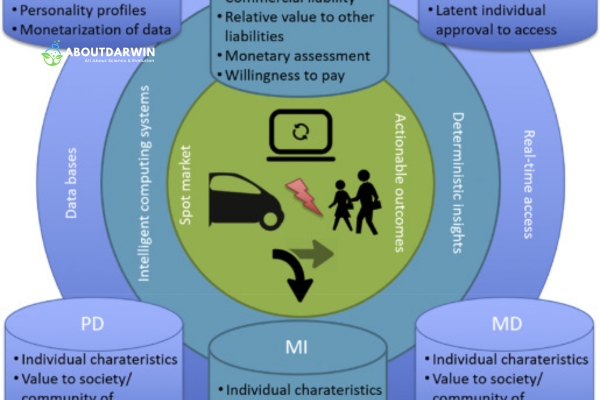
Families might discover unexpected or sensitive information about their genetic lineage, including non-paternity events, previously unknown adoptions, or donor conception histories. These revelations can lead to emotional distress, identity crises, or conflict among family members who had no prior knowledge of certain genetic facts. Ensuring ethical practices in sharing such information requires careful consideration of who should receive results and how they should be presented. Understanding how much DNA family members share can help interpret the implications of postmortem genetic testing results.
In balancing the benefits and risks of DNA testing the deceased, it is crucial to consider the potential advantages for medical understanding and family wellbeing against the ethical dilemmas and privacy concerns that arise.
However, these benefits must be weighed against significant risks including consent violations, privacy intrusions, emotional distress from unexpected findings, and potential genetic discrimination. For those considering postmortem testing, our guide on DNA testing a deceased parent provides practical steps to navigate the process after a parent’s death.
Families facing decisions about postmortem genetic testing need practical guidance beyond ethical theory. The urgency of collection, especially with a dying relative, often creates time pressure that complicates careful deliberation. Understanding the steps involved helps families act appropriately when moments matter.
Step 1: Discuss Wishes in Advance. When possible, initiate conversations about genetic testing preferences before health crises occur. Document these wishes in writing, whether supporting or opposing postmortem testing. This advance planning respects autonomy and reduces family conflict during emotionally difficult periods.
Step 2: Determine Legal Authority. Identify who holds legal authority to authorize testing. This typically falls to the estate executor, next-of-kin, or healthcare power of attorney, depending on jurisdiction and circumstances. Clarifying authority prevents delays and disputes during the collection window.
Step 3: Select Appropriate Testing. Different testing companies have varying policies on postmortem samples. FamilyTreeDNA has historically accepted DNA from deceased relatives, while some other direct-to-consumer companies have restrictions. Understanding which laboratories process postmortem samples before collection prevents wasted efforts and damaged tissues.
Step 4: Collect Samples Properly. Proper technique preserves DNA quality. Use sterile swabs for buccal collection, ensuring cheek cells rather than just saliva are obtained. Hair samples require intact follicles, not cut hair. Blood cards provide superior preservation for long-term storage when available.
Step 5: Consider Genetic Counseling. Professional genetic counseling helps families understand testing implications, interpret results, and navigate emotional responses to unexpected findings. Counselors provide objective guidance that supports family decision-making without imposing external values.
Beyond secular bioethics, religious and cultural frameworks significantly influence attitudes toward DNA testing the deceased. Different traditions hold varying beliefs about bodily integrity after death, the spiritual significance of genetic material, and obligations to ancestors that affect how families approach postmortem testing.
Many religious traditions emphasize respect for the deceased body and rapid burial or cremation practices that may conflict with DNA collection timelines. Jewish and Islamic traditions, for example, prioritize prompt interment, potentially creating tension if families wish to collect samples before burial. Understanding these religious observations and communicating with religious authorities when necessary helps families honor both spiritual obligations and genetic interests.
Some Christian denominations view genetic analysis as morally neutral provided it respects human dignity, while others express concern about technologies that seem to interfere with divine providence or natural law. Catholic teaching generally permits genetic testing for legitimate medical purposes but cautions against uses that commodify human bodies or violate family privacy.
Cultural perspectives on ancestry and genetic heritage vary significantly across populations. Indigenous communities often hold collective perspectives on genetic information that differ from Western individualistic frameworks. The Native American Graves Protection and Repatriation Act reflects recognition that genetic material from ancestral remains carries cultural significance beyond scientific value.
Communities that have experienced historical exploitation through research, such as African American descendants of the Tuskegee study or Henrietta Lacks’s family, may approach genetic testing with justified skepticism. Culturally sensitive approaches require acknowledging these histories and ensuring community voices inform research and testing policies.
Abstract ethical principles become concrete through examination of actual cases where postmortem genetic testing created benefits, dilemmas, or conflicts. These real-world examples illustrate the complexity of applying ethical frameworks to specific situations.
The identification of Joseph James DeAngelo as the Golden State Killer in 2018 demonstrated the power of forensic genetic genealogy. Investigators uploaded crime scene DNA to GEDmatch, a public genealogy database, and identified distant relatives whose family trees led to the suspect. This case generated significant public discussion about whether the benefits of solving violent crimes justify the privacy costs to unrelated individuals whose genetic data enabled the identification.
Since this breakthrough, forensic genetic genealogy has solved hundreds of cold cases involving unidentified remains and violent crimes. However, these successes have prompted database policy changes, with GEDmatch requiring users to opt-in for law enforcement matching rather than defaulting to inclusion. This shift reflects evolving ethical consensus about informed consent in genetic surveillance contexts.
A genealogist testing DNA from a deceased grandfather discovered that he was not biologically related to his documented family. This non-paternity event, revealed decades after the grandfather’s death, forced family members to reconsider their identity and ancestry. While the genetic information was medically accurate, its disclosure disrupted family narratives and relationships in ways the deceased could not have anticipated or addressed.
Similar scenarios involving donor conception, adoption, or hidden adoptions emerge regularly through genetic genealogy. The ethical question becomes whether genetic truth should override family stability and whether there are circumstances where concealing genetic findings serves beneficence better than disclosure serves autonomy.
A medical examiner’s office began routinely testing sudden unexplained deaths in young adults for inherited cardiac conditions. This PMGT practice identified multiple cases of long QT syndrome and hypertrophic cardiomyopathy, enabling cascade screening of first-degree relatives who carried the same mutations. Several at-risk relatives received preventive interventions, including implantable defibrillators, that likely saved lives.
This case illustrates how postmortem testing can fulfill the ethical obligation of beneficence by preventing harm to living relatives. However, it also raises questions about incidental findings discovered during testing for specific causes of death and the duty to warn relatives about genetic risks they may not wish to know.
The ethics of DNA testing extends beyond recently deceased individuals to ancient remains that provide insights into human migration, evolution, and population history. Ancient DNA research presents distinct ethical challenges because the temporal and cultural distance between researchers and deceased individuals complicates consent and community consultation.
Scientific analysis of ancient remains often intersects with indigenous communities who view these ancestors as family members deserving respect and protection. The excavation and genetic analysis of Native American remains, particularly those from culturally significant sites, has generated significant controversy when conducted without tribal consultation.
Contemporary best practices increasingly require meaningful collaboration with descendant communities before ancient DNA research proceeds. The Smithsonian Institution and other major repositories have revised policies to ensure indigenous voices shape research questions and access to genetic data from ancestral remains. This collaborative approach recognizes that ethical obligations persist across time even when direct consent is impossible.
When ancient DNA research yields significant scientific discoveries, questions arise about benefit sharing and proper attribution. Communities contributing access to remains or genetic insights may reasonably expect recognition, collaborative publication authorship, or support for community health initiatives derived from genetic findings.
The Nagoya Protocol on Access and Benefit Sharing provides an international framework for equitable distribution of benefits arising from genetic resources, though its application to ancient human DNA remains evolving. Ethical researchers increasingly recognize that scientific advancement should not extract value from communities without reciprocity or respect for cultural protocols.
DNA testing the deceased involves navigating complex legal and regulatory landscapes that vary significantly across jurisdictions. Ethical considerations intersect with evolving laws to ensure respect and fairness in handling genetic data after death.
Several key legal principles govern postmortem genetic testing, though specific statutes remain underdeveloped in many regions:
Emerging technologies and expanding genetic databases necessitate updated regulations addressing privacy, consent, and data governance:
By addressing these considerations, policymakers can create robust and ethical practices for DNA testing the deceased aligned with evolving legal and technological landscapes. To protect your family’s genetic privacy when navigating these decisions, follow our privacy musts for DNA testers when handling sensitive genetic information.
Informed consent is essential in PMGT to respect the deceased’s autonomy and the family’s rights. Consent ensures that genetic testing is done ethically and that the family is aware of the potential implications of the results.
Genetic privacy is safeguarded by implementing strict data protection measures, keeping genetic information confidential, and sharing the data only with authorized individuals or entities following consent and legal regulations.
The primary ethical concerns include obtaining valid consent, respecting the privacy of the deceased and their family, preventing misuse of genetic data, ensuring fairness in handling genetic information, and managing the emotional impact of unexpected findings on living relatives.
Legal issues include determining who can provide consent for deceased individuals, regulations on storing and using genetic samples, ensuring compliance with data protection laws like HIPAA and GDPR, and protecting living relatives from genetic discrimination.
PMGT can reveal genetic information that may affect the health decisions and privacy of living relatives through cascade testing or incidental findings. Handling this information sensitively and informing families about potential implications is crucial for ethical practice.
Yes, DNA testing is possible using samples collected before or after death. Common sources include blood cards, hair with intact follicles, bone samples, teeth, and buccal swabs collected shortly after death. Success depends on sample quality, preservation method, and time elapsed since death.
Hair can be used for DNA testing only if the follicle (root) is present, as this contains nuclear DNA needed for relationship testing. Cut hair without roots only provides mitochondrial DNA, which cannot establish paternity. Sample quality degrades over time, making collection soon after death preferable.
Genetic information does not have clear property ownership after death. Legal authority to make decisions about testing typically belongs to estate executors, next-of-kin, or legal proxies designated in advance directives. However, the decedent’s privacy interests and expressed wishes should guide decision-making even without formal ownership structures.
DNA collection timelines vary by sample type and environmental conditions. Blood cards provide excellent preservation indefinitely when stored properly. Bone and teeth can yield DNA decades or centuries after death. Soft tissue samples like buccal swabs should be collected within days of death before decomposition significantly degrades DNA quality.
FamilyTreeDNA has historically accepted DNA samples from deceased relatives and provides specialized collection kits for postmortem testing. Other companies have varying policies that change over time. Contact testing companies directly to confirm current policies before attempting sample collection or submission.
Navigating the ethics of DNA testing the deceased requires balancing respect for the deceased’s presumed wishes with the potential impacts on living relatives and broader societal interests. The complexity of these decisions demands more than technical knowledge about genetic testing; it requires thoughtful engagement with fundamental ethical principles including autonomy, beneficence, non-maleficence, and justice.
As genetic technology continues advancing in 2026, the frameworks governing postmortem testing must evolve accordingly. Families, professionals, and policymakers need to develop robust policies that prioritize informed consent, protect privacy, and ensure fairness while acknowledging the genuine benefits that postmortem genetic testing can provide. This includes respecting religious and cultural perspectives, implementing practical guidance for families facing time-sensitive decisions, and learning from case studies that reveal the human impact of abstract ethical choices.
By fostering international cooperation, enhancing privacy protections, and maintaining sensitivity to the dignity of the deceased, we can create a more respectful and just approach to postmortem genetic testing. The goal is not to eliminate ethical tension but to navigate it with wisdom, compassion, and unwavering commitment to protecting both the memory of those who have passed and the wellbeing of those who remain.