Physical Address
304 North Cardinal St.
Dorchester Center, MA 02124
Physical Address
304 North Cardinal St.
Dorchester Center, MA 02124

DNA Test a Parent Who’s Passed Away: Discover the essential steps and considerations for accurate results and legal compliance.
DNA testing a parent who has passed away is a path many families walk when seeking answers about paternity, inheritance, or medical history. Whether you are facing questions about Social Security survivor benefits, settling an estate dispute, or simply filling in the branches of your family tree, postmortem DNA testing offers a scientific way to establish what documentation cannot confirm. The process involves unique challenges that differ from standard at-home testing, including legal requirements, time-sensitive sample collection, and coordination with coroners or funeral homes.
Before you begin, it is important to understand the ethical framework surrounding posthumous testing. Informed consent from next of kin is not just a legal formality; it respects the dignity of the deceased while protecting family relationships. As genetic genealogy becomes more mainstream in 2026, the questions surrounding who has the right to access a deceased person’s DNA have gained new urgency. This guide walks you through every essential step, from collecting viable biological specimens to understanding alternative testing options when direct samples are unavailable.
By the end of this article, you will understand how to navigate the legal landscape for paternity claims, what sample types yield the best results, how much you should expect to pay, and what emotional challenges may arise along the way.
Postmortem DNA testing serves a critical function in establishing biological relationships when traditional documentation is insufficient or contested. When a parent passes away without clear paternity documentation, surviving family members may face significant legal and financial uncertainty. DNA testing provides objective evidence that can resolve inheritance disputes, establish eligibility for Social Security survivor benefits, and clarify family lineage for genealogical research.
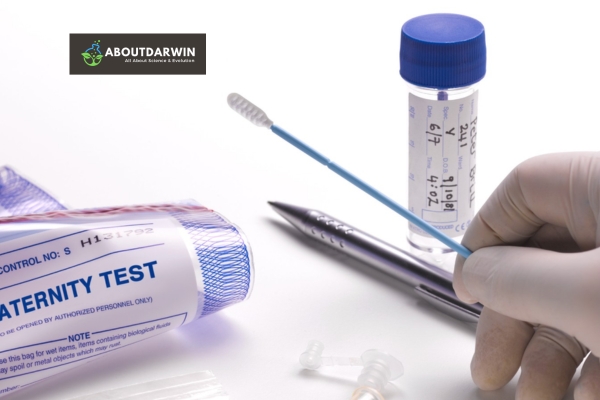
The practical applications extend beyond legal proceedings. Understanding your genetic inheritance can provide valuable insights into hereditary health conditions, carrier status for genetic disorders, and ancestry information that would otherwise be lost. For children who never knew one parent or who were adopted, posthumous testing may represent the only opportunity to confirm biological connections and access their complete medical history.
In cases involving unidentified remains, DNA testing offers families closure by confirming the identity of lost loved ones. Law enforcement agencies also utilize postmortem genetic analysis to resolve cold cases and identify victims of accidents or crimes. The dual capacity of DNA to address both personal family questions and broader forensic needs underscores its significance in 2026.
Also Read: Shared DNA Matches: A Guide to Discovering Family Connections
Establishing paternity after a father’s death requires navigating a complex web of state-specific laws and probate court procedures. While regulations vary by jurisdiction, most states provide legal pathways for posthumous paternity claims that can secure a child’s inheritance rights and access to benefits. Understanding these frameworks is essential before attempting to collect or test any biological specimens.
The process typically begins with filing a petition in family court or probate court, depending on your state’s procedures. Statutory deadlines are strict, and missing them can permanently bar a claim. You will need to demonstrate a legitimate basis for testing, which usually requires showing that paternity determination would affect inheritance distribution, benefit eligibility, or another legally recognized interest.
A court order is almost always required to access DNA samples from coroners, medical examiners, or funeral homes. This legal document specifies who can collect samples, what types of tissue may be accessed, and how the chain of custody must be maintained for results to be admissible in court. Legal representation is highly advisable, as errors in documentation or procedure can invalidate otherwise valid test results.
Supporting your claim requires comprehensive evidence beyond DNA alone. Courts typically expect to see affidavits from family members, historical records of cohabitation or support, photographs, correspondence, and any other documentation that establishes a relationship. The more thorough your evidentiary foundation, the smoother your path through the legal system will be.
Next of kin consent plays a crucial role in the legal framework. If the deceased had a surviving spouse, adult children, or parents, their authorization may be required before samples can be collected. When family members disagree about testing, the dispute may need resolution through court intervention, which adds time and expense to the process.
Success in postmortem DNA testing depends entirely on the quality and type of biological specimens collected. Time is your most critical enemy. DNA begins degrading immediately after death, and embalming chemicals, heat, moisture, and time all accelerate this deterioration. Acting quickly and understanding which sample types offer the best chance of success can make the difference between conclusive results and failed testing.

Blood spot cards, also known as blood dot cards or Guthrie cards, represent the gold standard for postmortem DNA collection. These preserved blood samples, often retained by coroners or medical examiners after autopsy, provide high-quality genetic material that can remain viable for years when properly stored. If your deceased parent underwent any medical procedure or autopsy, contacting the relevant coroner’s office immediately should be your first step.
Hair samples can work, but they must meet strict requirements. You need approximately 40 hairs with the root follicle attached. Simply cutting hair from a brush yields useless specimens, as the shaft alone contains no nuclear DNA. The root bulb must be visible as a small white or translucent bulb at the end of the strand. If you have access to the body before cremation, plucking hairs directly from the scalp provides the highest success rate.
Fingernail and toenail clippings offer another viable option, particularly when blood or hair samples are unavailable. The requirement is substantial: you typically need clippings from all ten fingers or toes, providing enough keratinized tissue for DNA extraction. Like hair, nails must include the attached tissue at the base; mere trimmings without visible attached material are insufficient.
Tissue samples from biopsy archives or surgical specimens preserved in paraffin blocks can yield excellent results. Hospitals and pathology labs often retain such specimens for years after procedures. These samples typically contain abundant DNA and have been stored under controlled conditions that slow degradation.
For cases where soft tissue is unavailable but DNA testing is essential, teeth and bone may be viable sources. A tooth with intact pulp, particularly a molar with deep roots, can provide DNA even from remains that have been buried for extended periods. The femur bone is preferred for skeletal DNA extraction because its dense structure protects genetic material better than smaller bones. These samples require specialized laboratory processing and typically cost more than standard testing.
When collecting buccal swabs from living relatives for comparison testing, proper technique ensures sample viability. Use sterile Dacron swabs or the collection kit provided by your testing company. Rub the inside of the cheek firmly for 30 to 60 seconds, rotating the swab to collect abundant epithelial cells. This cellular material contains the DNA needed for comparison.
After collection, drying is the most critical step many people overlook. Place the swabs in the paper envelope or drying rack provided, keeping them upright with the collection tip exposed to air. Never seal wet swabs in plastic, as moisture promotes bacterial and fungal growth that destroys DNA. Allow 24 to 48 hours of drying time in a clean, room-temperature environment away from direct sunlight. Once completely dry, seal the samples and ship them promptly to the laboratory.
Cremation permanently destroys all DNA, making testing impossible afterward. If cremation is planned, you must collect samples before the process begins. Coordinate with the funeral home to arrange a brief window for sample collection, which typically requires only a few minutes if you have the proper authorization and collection materials ready.
Multiple samples should always be collected when possible. Having backup specimens from different sources increases the probability that at least one will yield sufficient DNA for testing. Most laboratories recommend submitting at least two different sample types to maximize success chances.
Also Read: Debunking DNA Myths and Facts About DNA and Genealogy
Initiating postmortem DNA testing requires specific legal documentation before any laboratory will process samples. You will need either a valid court order authorizing the release of the deceased’s biological material or an official attorney letter on firm letterhead requesting testing. This requirement protects all parties and ensures the results will hold up in legal proceedings if necessary.
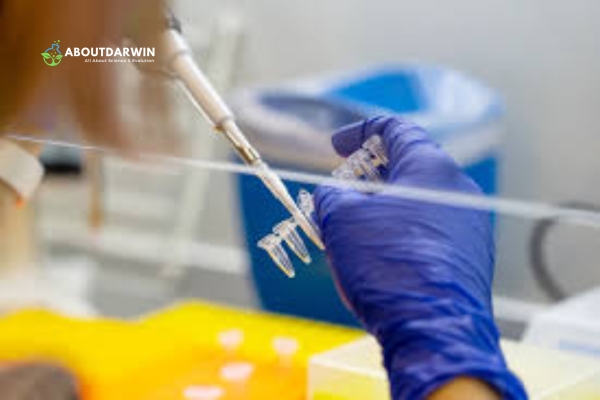
Once documentation is secured, the collection phase begins. For deceased individuals, coordination with the coroner, medical examiner, or funeral home is essential. These professionals understand the legal requirements and can guide you through accessing preserved samples. For living relatives who will provide comparison samples, the process is simpler: a standard cheek swab collected at home or by a certified collector, depending on whether you need legally admissible results.
The standard paternity test analyzes 21 genetic markers to establish biological relationships. This provides statistical certainty that meets legal standards, typically showing a probability of paternity of 99.9 percent or higher when the tested man is the biological father. Processing time generally ranges from two to four weeks, though expedited services may be available for additional fees.
Chain of custody documentation is crucial for legal tests. Every person who handles the samples must document their involvement, including collection time, storage conditions, and transfer details. Breaks in this chain can render results inadmissible in court, potentially undermining inheritance claims or benefit applications.
Testing companies like FamilyTreeDNA maintain specialized protocols for postmortem samples. Contact them directly to explain your situation and receive specific instructions for your sample type. Their customer service teams can guide you through registration, scheduling, and shipping procedures tailored to deceased sample testing.
When no viable sample exists from the deceased parent, alternative relationship testing can often provide the answers you need. These indirect methods analyze DNA from close relatives who share genetic material with the deceased, reconstructing a partial genetic picture through comparison.
Grandparent DNA testing examines the genetic contribution from the deceased parent’s mother or father. If both grandparents are available for testing, the combined results can establish paternity with high confidence even without a sample from the father himself. When only one grandparent is available, testing can still provide useful information, though with reduced statistical certainty.
Avuncular testing, also called aunt or uncle DNA testing, compares the child with a full sibling of the alleged father. Full siblings share approximately 50 percent of their DNA, meaning an uncle or aunt carries significant genetic overlap with their brother. By testing the child against the sibling of the deceased, laboratories can calculate the probability of a biological relationship through the missing parent.
Siblingship testing offers another pathway when both the child and a known child of the deceased are available. Full siblings share between 35 and 70 percent of their DNA, while half-siblings share between 17 and 34 percent. Testing can determine whether two individuals share one parent (half-siblings) or both parents (full siblings), providing indirect evidence of paternity.
Genetic reconstruction represents the most sophisticated alternative method. When multiple close relatives are available (such as both parents and several siblings of the deceased), laboratories can mathematically reconstruct a significant portion of the missing parent’s DNA profile. The child is then compared against this reconstructed profile to determine likelihood of paternity.
Learn more about how much DNA siblings share to understand the genetic basis for these alternative testing methods.
The financial investment for postmortem DNA testing varies significantly based on the type of test, legal requirements, and sample condition. Understanding these cost structures helps you budget appropriately and select the right testing approach for your situation.
Legal postmortem paternity tests, which provide court-admissible results with full chain of custody documentation, typically cost between $900 and $1,000 in 2026. This price includes the necessary legal documentation, court-admissible reporting standards, and comprehensive analysis of genetic markers. The higher cost reflects the strict procedural requirements necessary for legal validity.
At-home or non-legal testing options range from $600 to $700. These tests use the same laboratory analysis but lack the documented chain of custody required for legal proceedings. They are suitable for personal knowledge, genealogical research, or informal family confirmation. However, results from at-home tests cannot be used for Social Security claims, inheritance disputes, or other legal matters.
Additional fees may apply in specific circumstances. Residents of New York State face extra costs due to prescription requirements for DNA testing. Samples requiring specialized extraction, such as degraded tissue, bone, or teeth, often incur higher processing fees due to the additional laboratory work involved. Expedited processing for results in less than two weeks typically adds $100 to $200 to the base price.
Alternative relationship testing follows similar pricing patterns. Grandparent DNA tests, avuncular testing, and siblingship analysis generally fall within the same $600 to $1,000 range, depending on whether legal documentation is required. Some laboratories offer package pricing when testing multiple relatives simultaneously, which can reduce per-person costs while improving statistical accuracy.
Results are typically delivered via email within the stated processing time, with hard copies mailed separately upon request. Most reputable companies offer consultation services to help interpret results and understand the statistical significance of the findings.
Pursuing postmortem DNA testing often surfaces complex emotions that families must address alongside the practical and legal requirements. Grief over the parent’s death may be fresh or unresolved, and the testing process can reopen wounds just as they begin to heal. Simultaneously navigating legal complexities while processing these emotions requires support and preparation.
Family dynamics frequently complicate the process. Disputes may arise between siblings with different interests in the outcome, or between the child’s mother and the deceased’s surviving spouse. Some family members may oppose testing on privacy grounds, religious beliefs, or simply a desire to leave the past undisturbed. These conflicts can escalate into legal battles that delay testing and increase costs.
Before proceeding with postmortem testing, consider DNA privacy considerations for the entire family. Genetic information reveals health risks, ancestry, and biological relationships that affect more than just the tested individual.
Ethical considerations deserve careful thought. While you may have the legal right to pursue testing, consider whether the potential benefits justify any family discord that may result. Some families find that open communication about why testing matters, and what outcomes are hoped for, can reduce conflict and build consensus around the decision.
Legal representation helps navigate the procedural maze while providing emotional distance from contentious family interactions. An experienced family law attorney can handle disputes over sample access, represent your interests in court proceedings, and ensure all documentation meets legal standards. This professional support allows you to focus on your emotional well-being rather than procedural details.
Counseling and support groups offer valuable resources during this challenging time. Speaking with a therapist who understands genetic genealogy or family law issues can help you process grief, anxiety about test results, and changing family relationships. Support groups for individuals in similar situations provide peer understanding that friends and family may not be able to offer.
Timely action reduces both emotional and financial stress. The longer you wait to initiate testing, the more likely samples will degrade, costs will increase, or statutory deadlines will expire. Creating a clear timeline with your attorney and testing provider helps maintain momentum while managing expectations about the process duration.
Also Read: Can DNA Tests Put Your Personal Information at Risk?
Yes, DNA testing is absolutely possible when one parent has passed away. You can collect samples from the coroner’s office, funeral home, or from preserved biological specimens such as blood spot cards, hair with roots, or nail clippings. A court order is typically required to access samples from official sources, but alternative testing using grandparents, aunts, uncles, or siblings can also establish paternity when direct samples are unavailable.
DNA viability after death depends on storage conditions, environmental factors, and sample type. Under ideal conditions, properly preserved blood spots or tissue samples can remain viable for years. However, DNA degrades rapidly when exposed to heat, moisture, or embalming chemicals. For best results, collect samples within days of death and before embalming or cremation. Soft tissue samples from recently deceased individuals generally yield higher quality DNA than skeletal remains.
Sample collection depends on available specimen types. For hair, pluck approximately 40 strands with the white root bulb attached; cut hair alone is insufficient. For nails, collect clippings from all ten fingers or toes with visible attached tissue. Blood spot cards from coroners provide the most reliable source. If collecting a cheek swab is possible before cremation, use sterile Dacron swabs, rub firmly for 60 seconds, and allow 24 to 48 hours of air drying before shipping. Never place wet swabs in plastic.
Proving paternity after death requires either a direct DNA sample from the deceased or alternative relationship testing. First, contact the coroner’s office or funeral home to check for preserved samples like blood cards or tissue. If no sample exists, consider grandparent DNA testing, avuncular testing with the father’s sibling, or siblingship testing with the father’s other children. Legal proceedings typically require court documentation, so consult a family law attorney to navigate the process properly.
No, cremation destroys all DNA permanently. The extreme heat used in the cremation process completely destroys genetic material, making DNA testing impossible afterward. If cremation is planned, you must collect samples before the procedure occurs. Coordinate with the funeral home to arrange a brief collection window, and ensure you have proper authorization or court orders ready in advance.
Legal postmortem paternity tests typically cost between $900 and $1,000, covering court-admissible documentation, certified collection, and laboratory analysis. Non-legal at-home tests range from $600 to $700 but cannot be used for legal proceedings. Additional fees may apply for specialized extraction from bone or teeth, expedited processing, or New York State prescription requirements. Alternative relationship testing with grandparents, aunts, uncles, or siblings follows similar pricing structures.
Major consumer testing companies like AncestryDNA and 23andMe do not officially support testing deceased individuals. Their at-home collection kits are designed for living persons and their terms of service prohibit submitting samples from deceased persons without explicit authorization. For postmortem testing, use specialized laboratories that handle deceased samples, such as FamilyTreeDNA or legal testing providers like Health Street and Choice DNA, which have specific protocols for postmortem specimens.
A paternity test showing 99.9 percent probability of paternity is considered conclusive evidence of biological fatherhood in legal and scientific contexts. This percentage indicates that the tested man is virtually certain to be the father. Results below 99 percent are generally considered inconclusive, while exclusion results (0 percent probability) definitively rule out paternity. Courts, Social Security Administration, and other legal entities accept 99.9 percent as meeting the standard for establishing paternity.
Also Read: Debunking DNA Myths and Facts About DNA and Genealogy
DNA testing a parent who has passed away is a multifaceted process that blends science, law, and family dynamics. Success requires understanding the specific steps involved: securing proper legal documentation, collecting viable biological samples before cremation or embalming, selecting appropriate testing methods, and navigating the emotional terrain that accompanies such searches for truth.
The financial investment ranges from $600 for basic at-home testing to $1,000 or more for legally admissible results with full chain of custody documentation. When direct samples from the deceased are unavailable, alternative testing through grandparents, aunts, uncles, or siblings can often provide the biological answers you need, though with varying degrees of statistical certainty.
Time is a critical factor in postmortem DNA testing. Acting quickly after a parent’s death maximizes the chance of collecting viable samples and meeting any statutory deadlines for paternity claims. Equally important is attending to your emotional well-being and family relationships throughout this process. Legal representation, counseling support, and clear communication with family members can help transform what might be a contentious journey into a path toward closure and clarity.
Whether your goal is securing survivor benefits, resolving inheritance questions, or simply understanding your genetic heritage, postmortem DNA testing offers a powerful tool for establishing biological truth. By following the key steps outlined in this guide and approaching the process with both legal diligence and emotional awareness, you can navigate this challenging terrain and find the answers you seek in 2026 and beyond.


